New Delhi: The Centre has constituted a high level committee to examine demographic changes across the country, particularly those linked to illegal migration and other unusual factors. The move fulfils an assurance made earlier by Prime Minister Narendra Modi regarding concerns over demographic imbalance and infiltration.
The newly formed panel has been tasked with conducting a comprehensive assessment of changing population patterns in different regions of India and recommending measures to address the issue. These measures could include the identification, detention, and deportation of illegal immigrants residing in the country.
The committee will be headed by retired judge Justice Prakash Prabhakar Naolekar and will include Census Commissioner officials along with retired IAS officer Durga Shankar Mishra and former IPS officer Balaji Srivastava.
According to the government’s mandate, the panel will study abnormal population shifts among various religious and social communities and prepare a systematic framework to address these developments within a defined timeline. The committee will also examine how existing systems can be strengthened to identify undocumented immigrants more efficiently.
In addition, the panel has been authorised to recommend long term institutional mechanisms aimed at improving border management, population stabilisation, and identification systems. It may also propose any additional measures considered necessary to tackle challenges arising from demographic changes.
The committee is expected to submit its findings within one year, although the government may extend the deadline by six months if required.
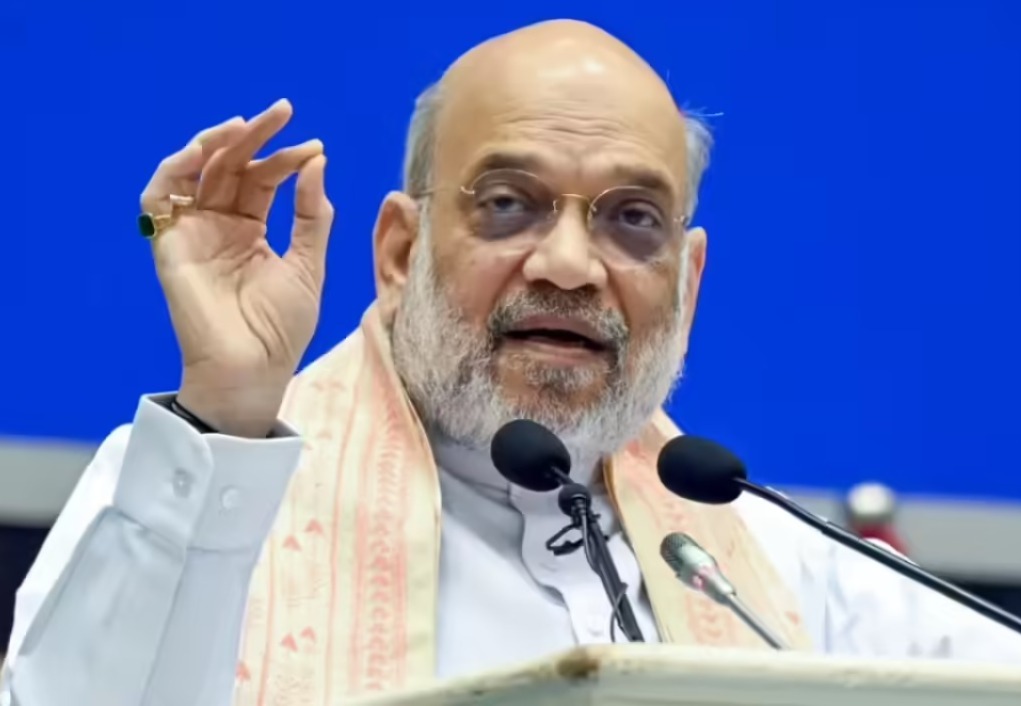
Commenting on the development, Union Home Minister Amit Shah stated that unnatural demographic changes caused by infiltration and similar factors pose a serious challenge to both the present and future of any nation.
The formation of the committee comes amid growing political and administrative focus on illegal migration, border security, and population related concerns in several parts of the country. The panel’s recommendations are likely to play a key role in shaping future policy decisions on immigration and internal security.