Team Goemkarponn
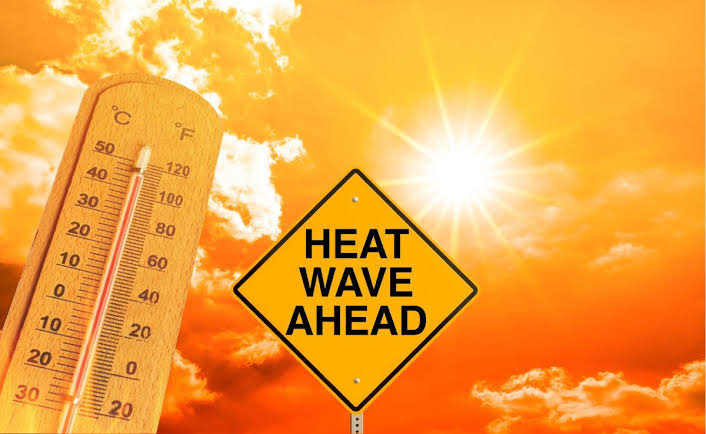
PANAJI: The Directorate of Health Services (DHS) has issued a health advisory on heat stroke, warning that rising temperatures across several states in recent years have led to cases of heat-related illnesses and fatalities.
While the general population remains at risk, the elderly and children are particularly vulnerable.
Heat stroke, a severe form of hyperthermia, occurs due to prolonged exposure to high environmental temperatures or intense physical activity in hot weather. It is most common during the summer months from April to July.
A key warning sign is a body temperature exceeding 104°F (40°C), often accompanied by confusion or altered mental state.
The DHS has urged the public to adopt preventive measures to reduce the risk of heat stroke. These include wearing lightweight, light-coloured, and loose-fitting clothing, ensuring proper ventilation at home—especially in cooking areas—and keeping doors and windows open.
Covering windows with curtains or cloth during peak heat hours can also help keep indoor spaces cooler.
To prevent dehydration, individuals are advised to drink at least eight glasses of water daily, along with fluids such as fruit juices and buttermilk.
People should avoid strenuous physical activity in hot and humid conditions and limit outdoor exposure during peak heat hours, particularly in the early and late afternoons.
Those working outdoors are advised to take extra precautions and stay hydrated even if they do not feel thirsty. The advisory also cautions against alcohol consumption during this period. Homes with tin roofs, which tend to trap heat, require additional cooling measures.
Special care is recommended for infants and children. Exclusively breastfed babies may need more frequent feeds during hot weather, while children above six months can be given small quantities of cooled, boiled water between meals.
Parents are advised to ensure children stay hydrated and avoid outdoor play during peak sunlight hours. Young children should be made to rest in the coolest part of the house.
The DHS emphasised that timely precautions and awareness can significantly reduce the risk of heat-related illnesses.