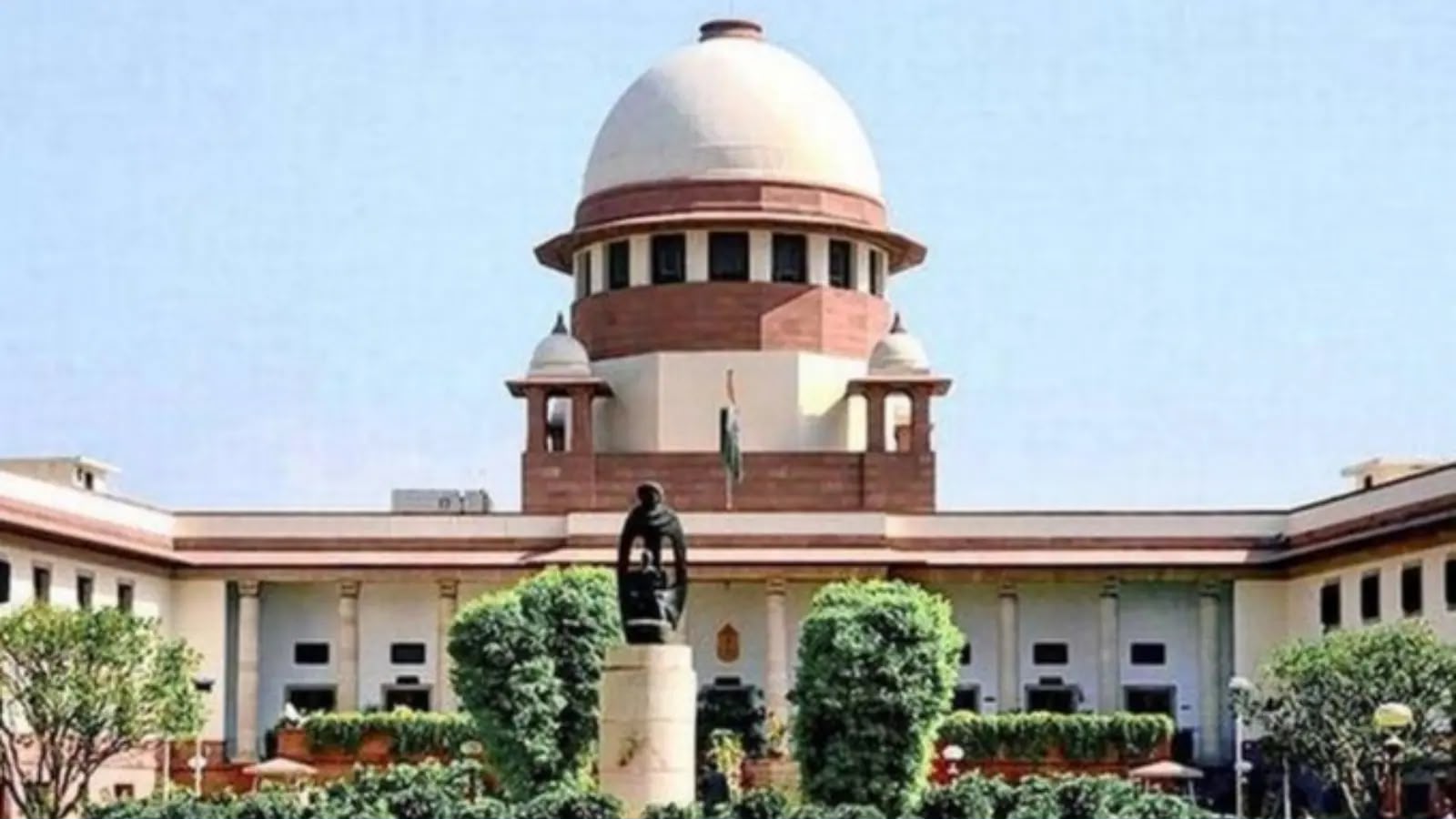
New Delhi: The Supreme Court has sought the Centre’s response on measures required to strengthen safeguards for children using social media and other digital platforms, stressing the need for stronger protection against online abuse and harmful content.
A bench headed by Chief Justice of India Surya Kant, along with Justices Joymalya Bagchi and V Mohana, highlighted the growing risks faced by children in the digital environment. During the hearing, the bench orally observed that “firewalls are very necessary for children” given their widespread access to online platforms.
The court was hearing a petition filed by the Just Rights for Children Alliance, which has sought stronger regulatory measures to ensure that minors are adequately protected while accessing digital services.
The petition raised concerns over the alleged lack of effective automated content filtering and reliable age verification systems on online platforms. It pointed out that algorithm based recommendations could expose children to sexually abusive, harmful or age inappropriate material. Concerns were also raised over the effectiveness of existing reporting systems and their ability to facilitate timely coordination with law enforcement agencies.
The plea has sought amendments to the Information Technology (Intermediary Guidelines and Digital Media Ethics Code) Rules, 2021, or the introduction of dedicated guidelines to prevent children below 18 from entering contracts with digital platforms without the consent of a parent or lawful guardian.
It also proposed identity verification or electronic KYC of parents or guardians wherever their consent is required, depending on the nature and risk associated with a particular digital service.
The petition highlighted risks including online grooming, sexual exploitation, trafficking, cyberbullying, behavioural profiling, misuse of children’s personal information and exposure to inappropriate material.
The Supreme Court was also referred to its 2024 judgment in Just Rights for Children Alliance v. S. Harish, which held that intermediaries may lose statutory safe harbour protection under Section 79 of the IT Act if they fail to comply with mandatory reporting obligations under the POCSO Act.
The court has sought responses from the Ministry of Electronics and Information Technology and other regulatory authorities on existing content filtering systems and mechanisms for auditing algorithms used by digital platforms.