New Delhi: India has recorded one of the lowest increases in retail fuel prices globally despite a sharp rise in crude oil costs triggered by geopolitical disruptions, according to government sources.
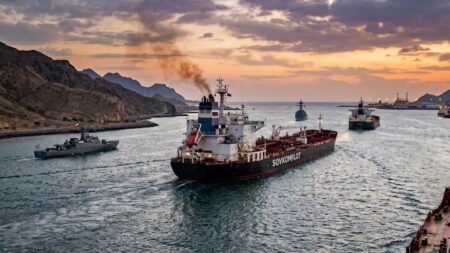
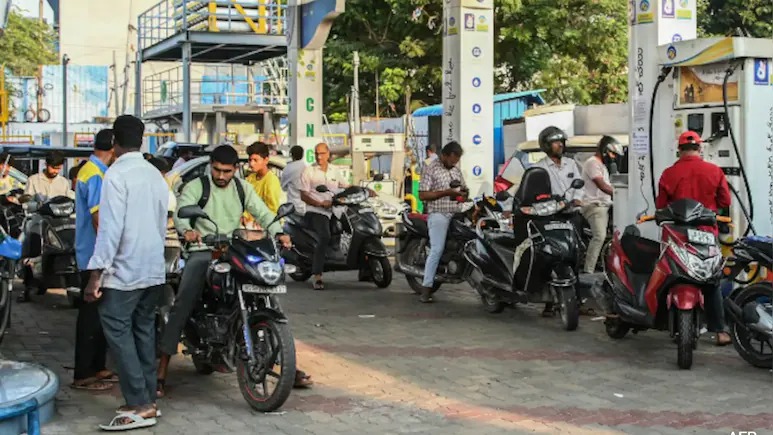
Petrol and diesel prices in the country were increased by around ₹7 per litre this month after remaining unchanged for 78 days following the closure of the Strait of Hormuz on February 28, 2026. Oil marketing companies revised prices in four phases on May 15, 19, 23, and 25, resulting in a total hike of ₹7.35 per litre for petrol and ₹7.53 per litre for diesel.
In Delhi, petrol is now priced at ₹102.12 per litre, while diesel costs ₹95.20 per litre.
### India sees smaller rise compared to global trend
Officials said the increase remains significantly lower than global averages, where fuel prices have surged sharply in several countries. Reports suggest increases ranging from 20% to over 90% in some regions during the same period.
Countries such as Myanmar reportedly saw nearly 90% hikes, while Pakistan and the United Arab Emirates recorded increases of over 50%. Even developed economies like the United States and parts of Europe experienced rises above 20%.
Globally, petrol prices now average around ₹130 per litre, with several European countries exceeding ₹180, making India’s retail fuel rates comparatively lower among non-subsidised economies.
### Tax cuts and policy measures cushioned impact
Government sources attributed the relatively moderate increase to earlier tax reductions and policy interventions. Over the past few years, the Centre has reduced fuel taxes multiple times, including a ₹10 per litre excise duty cut in March 2026, which helped absorb part of the global crude price rise.
Officials said these measures prevented the full impact of international price volatility from being passed on to consumers.
### State-wise variation in fuel prices
Fuel prices continue to vary across states due to differences in VAT structures. Sources noted that some opposition-ruled states, including Telangana and Kerala, have higher petrol prices exceeding ₹114 per litre.
In contrast, states such as Gujarat, Uttar Pradesh, and Haryana have comparatively lower rates, closer to ₹102 per litre, due to lower tax levels.
Diesel prices also vary widely, with some states keeping rates below ₹90 per litre while others exceed ₹100 per litre.
### Stability despite global volatility
The government said fiscal measures such as excise duty adjustments and export controls helped maintain domestic fuel stability during the crisis period, even as oil companies and the exchequer absorbed part of the cost.
Officials also highlighted that India has previously managed to reduce fuel prices or limit sharp increases during global shocks, including the Russia–Ukraine conflict, reinforcing its relatively stable pricing structure compared to other major economies.