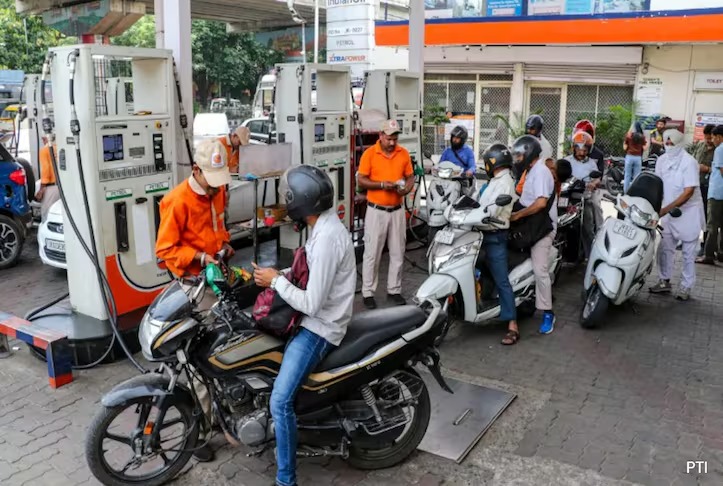
New Delhi: Fuel prices across India have been increased for the second time within a week as rising tensions in West Asia continue to disrupt global crude oil supplies. Oil marketing companies on Tuesday raised petrol and diesel prices by nearly 90 paise per litre, adding further pressure on consumers already dealing with inflation concerns.
The latest revision comes just three days after petrol and diesel prices were increased by ₹3 per litre on May 15. Following the fresh hike, petrol in Delhi is now being sold at ₹98.64 per litre, up by 87 paise, while diesel prices have climbed by 91 paise to ₹91.58 per litre.
Other major cities also witnessed sharp increases. In Mumbai, petrol prices rose by 91 paise to ₹107.59 per litre and diesel increased by 94 paise to ₹94.08 per litre. Kolkata recorded the steepest petrol hike among metros, with prices jumping 96 paise to ₹109.70 per litre. In Chennai, petrol rose by 82 paise to ₹104.49 per litre, while diesel increased by 86 paise to ₹96.11 per litre.
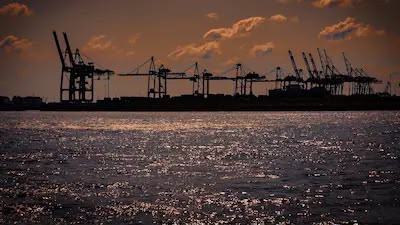
The price surge is largely linked to the ongoing conflict involving Iran, which has disrupted international crude oil supply chains and pushed global oil prices significantly higher. India, which imports more than 85 per cent of its crude oil requirements, has been directly affected by the volatility in the international market.
According to the latest figures released by the Petroleum Planning and Analysis Cell under the Petroleum Ministry, the average price of the Indian crude oil basket has risen from $69.01 per barrel in February 2026 to $110.73 per barrel by May 15. This marks an increase of more than 60 per cent within a few months.
The weakening Indian rupee has added to the burden. With the rupee trading around 96 against the US dollar, oil imports have become costlier, increasing the financial pressure on oil marketing companies. Industry experts warn that if crude oil prices continue to rise globally, fuel rates in India could climb further in the coming weeks.
The increase in fuel prices is expected to affect transportation costs, public travel fares, and the prices of essential goods, potentially adding to inflationary pressure across the country.