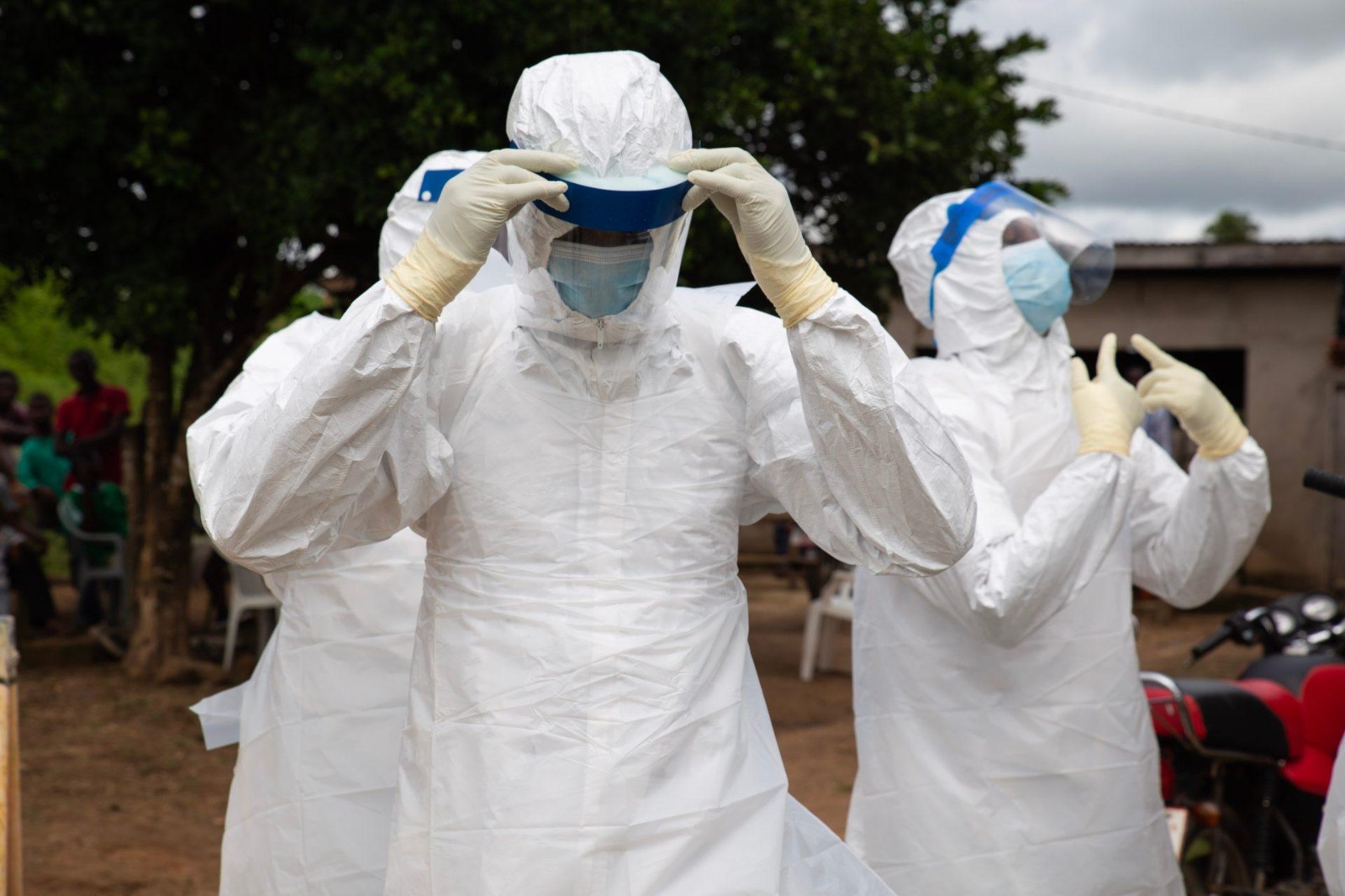
New Delhi: India has stepped up health surveillance and emergency preparedness measures following the latest Ebola outbreak in Central Africa, after the World Health Organization declared the situation a Public Health Emergency of International Concern.
The outbreak, linked to the Bundibugyo strain of the Ebola virus, has been reported in parts of the Democratic Republic of the Congo and Uganda. Indian health authorities have clarified that no Ebola cases have been detected in the country so far, but precautionary measures are being intensified to prevent any potential spread.
Senior officials from the Ministry of Health and Family Welfare, along with representatives from the National Centre for Disease Control, the Integrated Disease Surveillance Programme, and the Indian Council of Medical Research recently held a high level review meeting to assess the evolving situation and strengthen preparedness.
As part of the response strategy, the National Institute of Virology in Pune has been designated as the nodal laboratory for Ebola testing, while additional laboratories are expected to be added in phases to enhance diagnostic capacity.
Authorities have also reviewed standard operating procedures related to screening, surveillance, quarantine, and case management. Isolation and quarantine facilities at major airports and ports across the country have been identified and prepared as part of emergency readiness plans.
Coordination between ministries and agencies monitoring international travel from affected African regions has also been strengthened. Health officials have urged the public not to panic or circulate unverified information, stressing that India’s public health system remains alert and fully equipped to respond to any emerging threat.
Ebola was first identified in Africa in 1976 and belongs to a family of viruses known as filoviruses. Among the known strains, the Bundibugyo variant involved in the current outbreak has a mortality rate of roughly 30 to 40 per cent.
Unlike airborne diseases such as COVID 19, Ebola spreads through direct contact with bodily fluids of infected individuals or contaminated surfaces. Experts say close monitoring, early detection, and strict isolation remain critical in containing outbreaks of the virus.