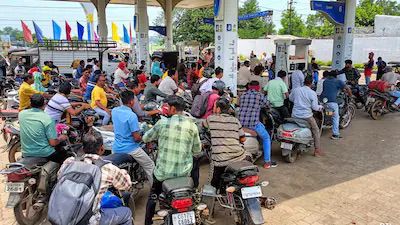
New Delhi: After holding fuel prices steady for nearly ten weeks despite mounting global pressure, the Centre and state run oil companies finally increased petrol and diesel prices by Rs 3 per litre. The move comes amid soaring crude oil rates, disruptions in global supply chains, and heavy financial losses faced by oil marketing companies.
The sharp rise in international crude prices has largely been driven by escalating tensions in the Middle East, particularly around the Strait of Hormuz, one of the world’s most crucial oil shipping routes. Concerns over supply disruptions and shipping delays pushed crude oil prices from around 69 dollars per barrel to nearly 114 dollars per barrel within weeks.
India, which imports nearly 85 percent of its crude oil requirements, has been directly affected by the surge. At the same time, the Indian rupee weakened to record lows against the US dollar, making imports even more expensive since crude purchases are made in dollars.
State owned fuel retailers including Indian Oil Corporation, Bharat Petroleum, and Hindustan Petroleum continued selling fuel at older rates despite rising procurement costs. This led to severe under recoveries, with losses reportedly touching nearly Rs 1,600 crore per day over the past several weeks.
The Centre had earlier reduced excise duties to cushion consumers from rising prices, resulting in a significant loss of government revenue. Officials indicated that both the government and oil companies had absorbed much of the burden for weeks, but the situation eventually became financially unsustainable.
Apart from crude costs, higher freight charges, insurance premiums, refining expenses, and transport disruptions also contributed to the pressure on fuel pricing. Increased competition among countries for available oil cargoes further pushed global prices upward.
Experts noted that the Rs 3 hike only partially offsets the financial strain on oil companies, which continue to absorb a considerable portion of the losses. Analysts believe future price movements will largely depend on how the Middle East situation evolves and whether global crude prices stabilise in the coming weeks.