New Delhi: The latest increase in petrol and diesel prices has triggered a sharp political confrontation between the BJP and the Congress, with the ruling party defending the move as necessary amid global energy disruptions while the opposition accused the Centre of burdening citizens after state elections.
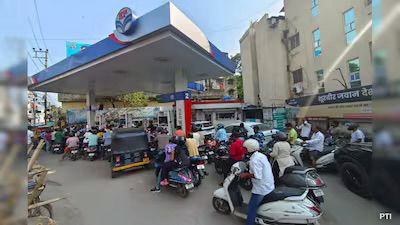
Fuel prices were raised across major cities after remaining unchanged for several weeks. In Delhi, petrol now costs Rs 97.77 per litre while diesel has risen to Rs 90.67. Similar hikes were recorded in Mumbai and Chennai, with prices varying across states due to local taxes.
The Congress criticised the timing of the decision, pointing out that the increase came shortly after assembly elections concluded in several states. The party argued that higher fuel prices would worsen inflation and place additional pressure on household expenses and economic growth.
The BJP, however, maintained that the increase was modest compared to fuel price spikes witnessed globally following disruptions linked to the Strait of Hormuz crisis and broader tensions in West Asia.
BJP spokesperson Pradeep Bhandari said India had limited the fuel price rise despite international crude oil prices crossing the 100 dollar per barrel mark. He accused the Congress of politicising a global crisis and called for “economic patriotism” during a period of international uncertainty.
Union Minister Kiren Rijiju also defended the hike, highlighting that fuel prices in many countries had increased far more sharply than in India. BJP leader Amit Malviya similarly claimed India had emerged as an exception amid worldwide energy market instability.
Officials from the oil sector stated that public sector oil companies had absorbed rising input costs for nearly eleven weeks before partially passing on the burden to consumers. Indian Oil Corporation officials described the increase as relatively small considering the scale of global crude oil volatility.
Union Petroleum Minister Hardeep Singh Puri said state run oil companies were facing heavy under recoveries and losses due to rising crude prices, making a prolonged freeze on fuel rates financially unsustainable.
Transport sector representatives said the hike was expected given the geopolitical situation, though they warned it could increase freight costs and eventually impact prices of goods and services across the country.