Team Goemkarponn
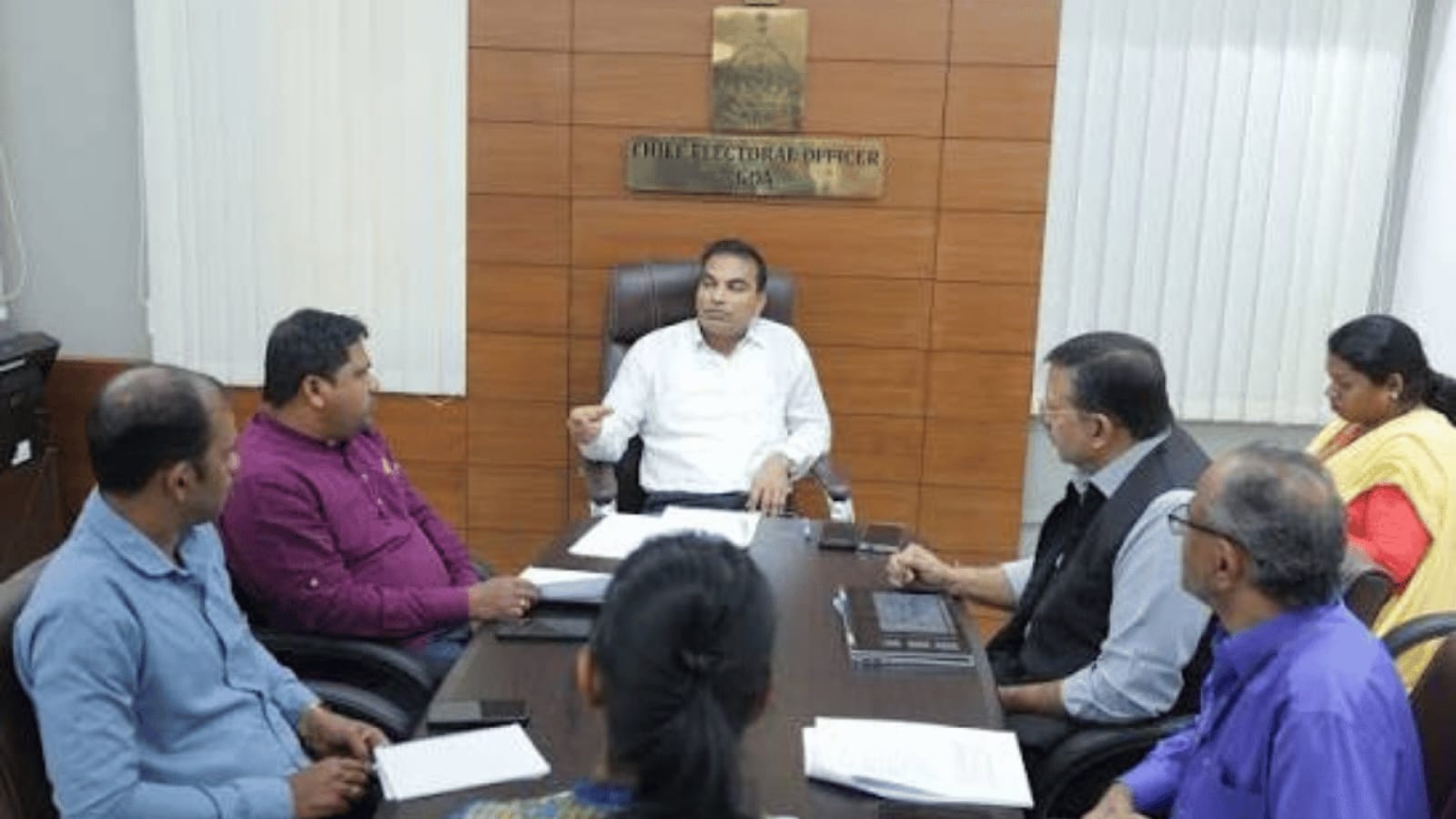
PANAJI: The Office of the Chief Electoral Officer (CEO), Goa, brought together election officials, academics and social-sector experts for a workshop aimed at examining barriers faced by marginalised communities in participating in the democratic process.
The programme, titled “Democracy for the Empowerment of Marginalised Sections of the Society,” focused on strengthening electoral inclusion and ensuring that vulnerable sections of society have equal opportunities to exercise their franchise.
CEO Sanjay Goel said the electoral system must reach every eligible citizen and that greater attention was required to communities that face social, physical or geographical barriers to participation.
Addressing the opening session, Padma Shri and Arjuna Award recipient Brahmanand Sankhwalkar spoke about the importance of equality and democratic principles in building an inclusive society. State Commissioner for Persons with Disabilities Guruprasad Pawaskar called for greater accessibility in elections and stronger participation of persons with disabilities in governance.
The workshop was conducted jointly with Goa University, the Institute of Psychiatry and Human Behaviour (IPHB), Goa, and VM Salgaocar College of Law.
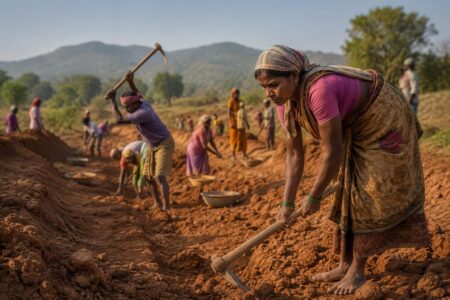
Goa’s Wanarmare community featured prominently in one of the sessions. Sachin Tendulkar, CEO of the Mineral Foundation of Goa, spoke on “Wanarmare Tribes of Goa: From Stateless to Voters,” outlining the significance of electoral registration in bringing historically marginalised communities into the formal democratic system.
Election Commission of India Under Secretary Guncha Batra Aneja explained the Home Voting Model, under which eligible senior citizens and persons with disabilities can exercise their voting rights from home. She also referred to electoral systems in Bhutan, Sri Lanka, Liberia and Costa Rica while discussing the difficulties displaced populations may encounter when trying to vote.
Aneja stressed that geographical location or personal circumstances should not prevent an eligible citizen from participating in elections.
The workshop’s second technical session examined democratic participation through several lenses, including electoral administration in Assam’s Bodoland Territorial Council, questions surrounding voter identity and political agency, and experiences of people living in urban informal settlements.
The discussions highlighted the need for continued efforts to remove practical and institutional barriers to voting and make democratic participation more accessible to communities that have traditionally remained on the margins of the electoral system.