Team Goemkarponn
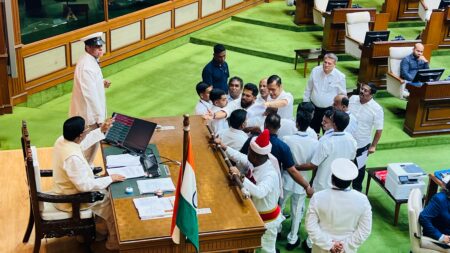
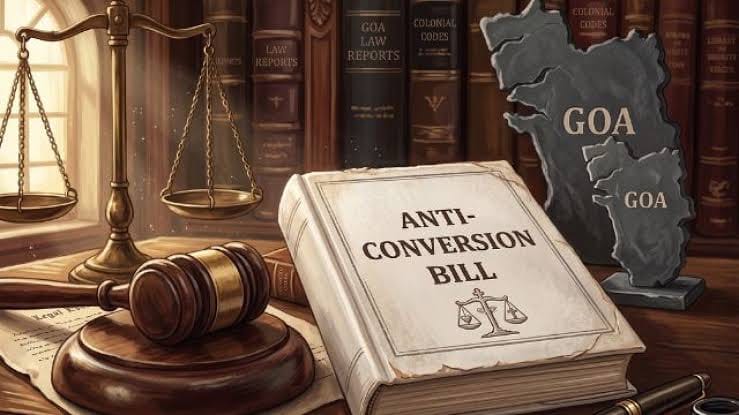
PANAJI: The Goa government has decided against bringing the proposed religious conversion law before the Legislative Assembly during the ongoing monsoon session, putting the contentious legislation on hold amid growing opposition.
The Goa Prohibition of Unlawful Conversion of Religion Bill, 2026 was initially listed for introduction on the first day of the session, with Chief Minister Pramod Sawant expected to move it in the House.
However, shortly before the Assembly proceedings began, Sawant met Catholic legislators from the ruling side to discuss concerns surrounding the proposed legislation. Following the meeting, the government chose not to proceed with its introduction.
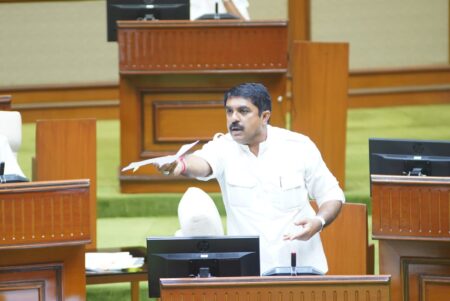
Independent MLA Alexio Reginaldo Lourenco said the decision followed objections raised by several legislators, including members supporting the government.
The Bill was later taken off the Assembly’s Business List, effectively removing it from the agenda for the current session.
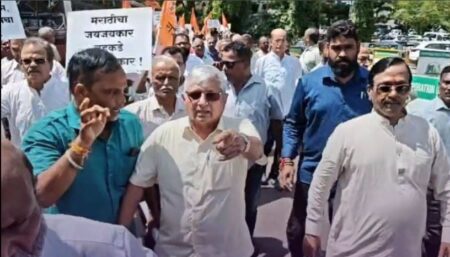
The Cabinet had given its approval to the proposed legislation the previous week. Its planned introduction, however, drew criticism from opposition parties, which argued that such a law could create divisions within society and heighten communal tensions.
The proposed legislation aimed to penalise religious conversions allegedly obtained through force, coercion, undue influence, deception, inducements or marriage.
Among its proposed provisions were severe penalties, including imprisonment that could extend up to life, a minimum fine of ₹50,000, and compensation of up to ₹5 lakh for affected individuals.
Another provision dealt with marriages allegedly used as a means to facilitate unlawful conversion. Such marriages could be declared invalid if found to have been conducted solely for that purpose.
People accused of assisting or facilitating unlawful conversions, including certain religious functionaries, could have faced three to 10 years in prison under the proposed law.
The legislation also provided for tougher punishment when alleged conversions involved minors, women, persons with disabilities or mental illness, or members of Scheduled Castes and Scheduled Tribes.
For now, the government’s decision means the controversial proposal will not be debated or voted on during the ongoing monsoon session.