Team Goemkarponn
PANAJI: Goa has taken what the state government describes as a pioneering step in preventive healthcare with the launch of the Goa Policy for Life-course Immunization 2026–2036 and its accompanying Operational Guideline.
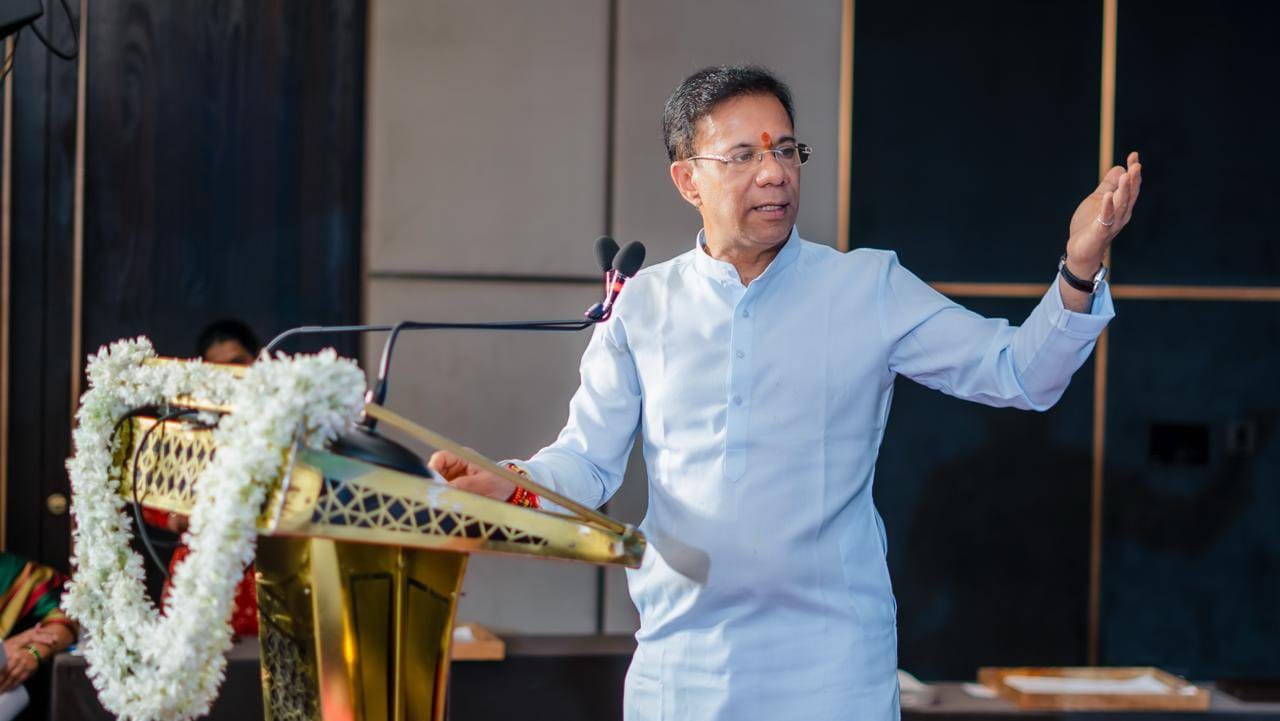
Launching the policy at a function organised by the Directorate of Health Services at Sta. Inez, Panaji, Health Minister Vishwajeet Rane said Goa is the first state in the country to introduce a comprehensive policy covering immunization across the life course.
“This is an achievement we should recognise, but more importantly, it is a responsibility we should embrace,” Rane said, adding that Goa was not merely releasing a policy but demonstrating how preventive healthcare could evolve in the country.
Rane said immunization has traditionally been associated largely with childhood, but changing demographics and disease patterns require a broader approach. With people living longer and more individuals living with chronic conditions such as diabetes, cardiovascular disease, chronic respiratory disease, kidney disease and cancer, vaccination strategies need to take clinical risk and individual health needs into account, he said.
“A healthy young adult is different from an elderly person. A patient with diabetes is different from a person with chronic lung disease. A patient undergoing treatment for cancer or kidney disease may have different clinical needs again,” Rane said.
He said Goa has strong public health institutions, experienced clinicians and a health system capable of innovation, adding that policymakers, doctors, programme officials, researchers and communities can work together to strengthen preventive healthcare.
Rane also acknowledged the contribution of the Directorate of Health Services, along with doctors, nurses, programme officers, pharmacists, administrators and field staff involved in translating the policy vision into practice. He particularly appreciated the contribution of the Goa Institute of Management (GIM) in synthesising research evidence and facilitating consultations with the Directorate of Health Services, clinicians, policymakers and other stakeholders.
Health Secretary Yatindra Maralkar said the policy marks an important step in strengthening preventive healthcare in Goa and has been shaped by the state’s changing demographic and epidemiological profile and the growing burden of non-communicable diseases.
He said the government’s strategy is to extend protection beyond childhood through a risk-based approach rather than immediately introducing universal adult vaccination.
“Rather than immediate universal adult vaccination, we are focusing initially on clinical high-risk groups who need it most,” Maralkar said.
Based on evidence relating to disease burden, safety, feasibility and cost-effectiveness, the policy initially prioritises three vaccines — influenza, pneumococcal and hepatitis — for identified high-risk groups.
Maralkar said the programme would be integrated into the existing health infrastructure, including NCD clinics, specialist services and established cold-chain systems. The Directorate of Health Services will provide overall governance, while District Immunization Officers and healthcare facilities will be responsible for screening, vaccine administration, safety monitoring and digital tracking.
He said the 10-year policy has been designed as a dynamic framework that can be periodically reviewed and updated in response to emerging scientific evidence and new technologies.
Professor Ajay Vamadevan of GIM said translating the concept of life-course immunization into a state policy involved more than identifying vaccines. The policy formulation exercise over the past year involved experts from the Directorate of Health Services, Goa Medical College and GIM, with inputs from national institutions and scientific bodies.
The team examined available evidence on adult vaccination, vaccine-preventable diseases and Goa’s changing health profile, while also assessing the feasibility of implementing the interventions within the state’s existing health system, he said.
Vamadevan said implementation would provide Goa with an opportunity to generate evidence on life-course immunization. The lessons emerging from the programme could help refine the initiative within the state and contribute to wider national and international efforts in adult and life-course immunization.
CMO/NCDC, DHS Dr Sandesh Madkaikar and AHPSR/WHO Dr Aku Kwamie also spoke on the occasion.
Dean, GMC, Dr J.P. Tiwari; OSD to Health Minister Dr Rajnanda Desai; Joint Secretary, Health, Pranav Bhat; Director, DHS, Dr Medha Salkar; Professor, Department of Community Medicine, PGIMER, Dr Madhu Gupta; Director, GIM, Prof. Ajay Vamadevan; faculty members of GMC, WHO representatives and others were present at the function.