New Delhi: India on Friday said it is closely monitoring developments surrounding a proposed United States bill that could allow President Donald Trump to impose tariffs of up to 100 percent on countries purchasing large volumes of Russian oil and gas.
The proposed legislation, which was recently cleared by the US Senate with an 86 to 12 vote, will now move to the House of Representatives for further consideration. If enacted, it would authorise the US President to impose additional tariffs and sanctions on countries that continue to import significant quantities of Russian energy or facilitate sanctions evasion.
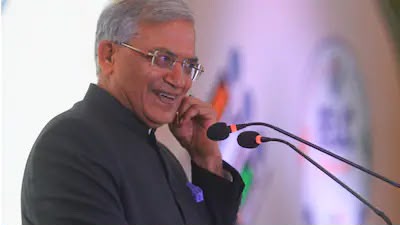
Responding to questions during a media briefing, Ministry of External Affairs spokesperson Randhir Jaiswal said India’s approach to energy security remains based on national interests and the country’s long term energy requirements.
He reiterated that India’s energy policy is driven by the need to secure reliable and affordable supplies for its 1.4 billion people through diversified sources, including imports from the United States. He also said New Delhi remains engaged with relevant stakeholders in the US on the issue.
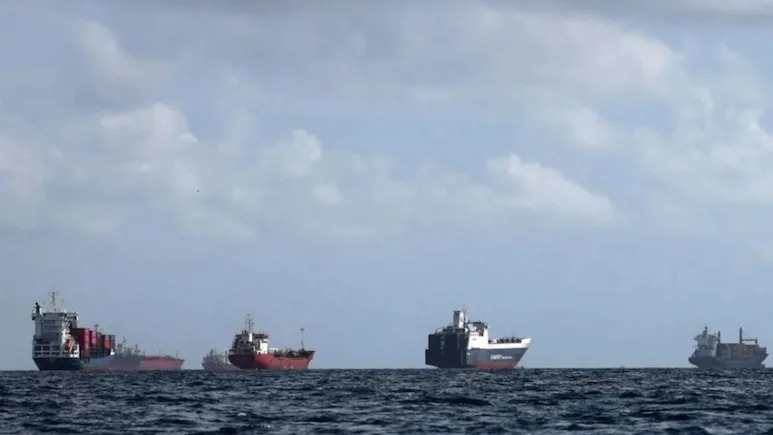
The proposed Lindsey O. Graham Sanctioning Russia and Iran Act of 2026 seeks to strengthen sanctions against Russia and entities supporting its military campaign in Ukraine. The legislation targets Russian officials, financial institutions, oligarchs, members of their families and the so called shadow fleet used to transport Russian oil.
A key provision of the bill authorises the US administration to impose targeted tariffs on imports from countries that purchase the largest volumes of Russian oil or gas or are found to be assisting in sanctions evasion.
Under Section 113 of the proposed law, the five largest buyers of Russian fuel could face additional tariffs of up to 100 percent. Along with India and China, the countries identified among the top purchasers include Slovakia, Hungary and Azerbaijan.
The legislation also directs the US Trade Representative to review the list of the five largest purchasers every 180 days, allowing tariff measures to be revised based on changes in each country’s energy import patterns.
Sorry, there was a YouTube error.