New Delhi: India could face tariffs of up to 100 per cent on goods entering the United States if a new Russia sanctions bill is passed and the tariff provisions are applied to major buyers of Russian energy. The US House of Representatives has advanced the legislation, bringing it closer to a final vote.
The Lindsey O. Graham Sanctioning Russia and Iran Act of 2026 cleared a key procedural hurdle in the House by a 214-211 vote. Two Democrats joined Republicans in supporting the measure. A final House vote is expected before lawmakers leave for their scheduled recess.
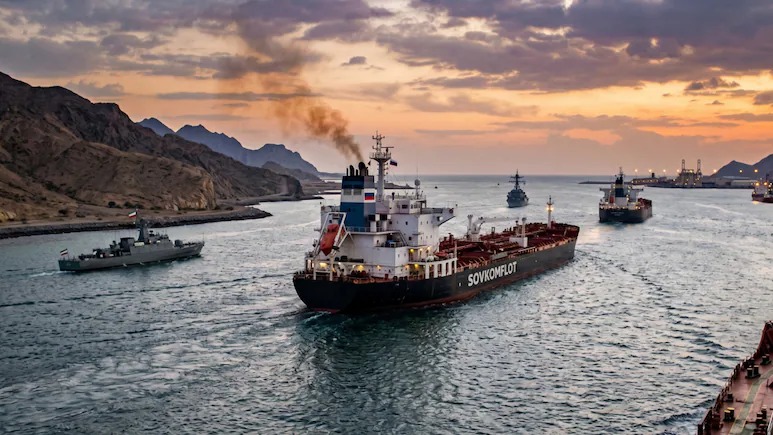
The legislation would expand sanctions targeting Russia’s leadership and energy sector and also take aim at the so-called “shadow fleet” of vessels used to transport Russian oil while evading sanctions. It would also extend existing US sanctions related to Iran.
India Specifically Named In House Amendment
The Senate passed the bill on August 7 by an overwhelming 86-11 vote. The Senate version authorised tariffs of up to 100 per cent on goods from major purchasers of Russian oil and gas, but did not itself list specific countries.
A House amendment submitted by Democratic Congressman Steny Hoyer specifically lists India, China, Türkiye, Azerbaijan, Hungary, Slovakia, the United Arab Emirates, Singapore, Kazakhstan and Kyrgyzstan among countries that could be subject to duties of up to 100 per cent. The amendment is part of the House consideration of the legislation and does not by itself impose tariffs.
The proposed measures are based on the US position that revenue from Russian oil exports helps finance Moscow’s war against Ukraine. The legislation therefore seeks to put additional economic pressure on countries continuing to purchase Russian energy.
What Happens Next
The bill still needs approval from the full House before it can move to the White House for President Trump’s signature. Even if enacted, the legislation would provide the authority to impose tariffs rather than automatically placing a 100 per cent duty on India.
The House debate comes amid efforts by pro-Ukraine groups to lobby lawmakers for stronger measures against Russia. At the same time, some US lawmakers have raised concerns about giving the President broad tariff powers without sufficient safeguards.
For India, the legislation creates another potential trade issue because of its continued purchases of Russian energy. The immediate impact will depend on the final version approved by Congress and how the tariff authority is subsequently used.
Sorry, there was a YouTube error.