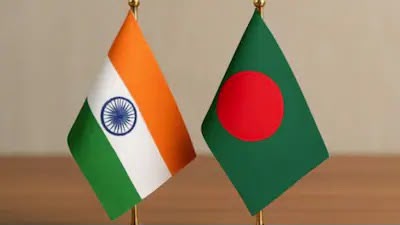
New Delhi: India has stated that its development cooperation with Bangladesh is guided by a mutually agreed roadmap and that all related developments will be taken into account in its overall approach to the Teesta river project.
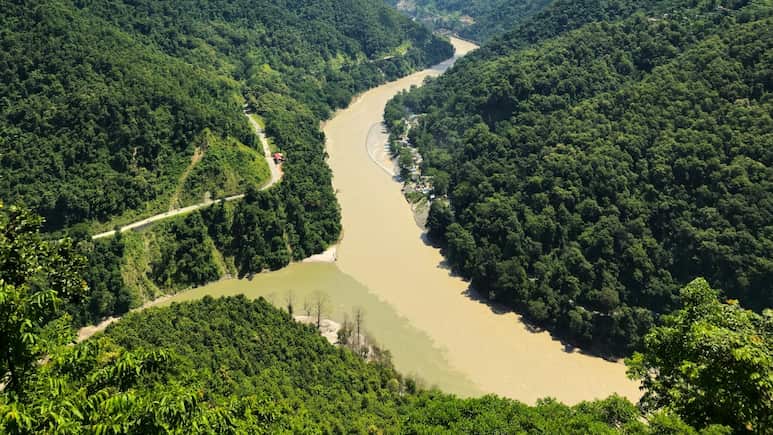
The statement comes amid reports of discussions between Bangladesh and China on the Teesta River Comprehensive Management and Restoration Project during a recent high level visit to Beijing, raising strategic interest in the river basin that lies close to India’s sensitive Siliguri Corridor.
The Ministry of External Affairs said India’s position on the Teesta issue has already been communicated to Dhaka and reiterated that any assessment of the project will consider evolving circumstances. The river, which originates in the eastern Himalayas, flows through Sikkim and West Bengal before entering Bangladesh, where it supports irrigation and livelihoods for millions of people.
The Teesta basin is also considered strategically significant due to its proximity to the narrow Siliguri Corridor, a vital link connecting mainland India with its northeastern states.
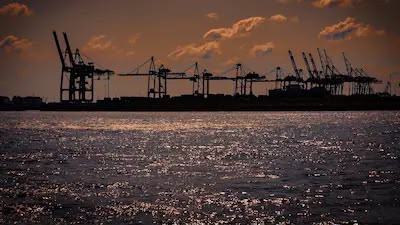
Concerns have grown in strategic circles over increasing Chinese engagement in infrastructure projects in Bangladesh, including discussions around port modernisation and industrial zone development. India has said it is closely monitoring such developments and will take appropriate steps as necessary.
Separately, India also commented on consular services in Australia, Kuwait and the United Arab Emirates, noting that limited services continue to operate while outsourced support arrangements remain suspended due to ongoing legal proceedings.
On reports regarding UNESCO’s concerns over heritage conservation in Taxila, India stressed that cultural heritage sites recognised by the global body belong to humanity as a whole and must be protected and preserved responsibly.
Taxila, located in Pakistan’s Punjab province, is an ancient archaeological complex featuring remnants of early settlements, Buddhist monasteries and historic religious structures, and is listed as a UNESCO World Heritage Site.
Sorry, there was a YouTube error.