Team Goemkarponn
CANACONA: Residents of Khotigao village in Canacona have raised strong objections to the Forest Department’s proposed expansion of the Kushawati Green Zone, alleging that the move could place nearly 80 per cent of the village under reserved forest and severely impact human habitation, agriculture and traditional land ownership rights.
Villagers claim the proposal could affect more than 1,700 residents living in over 500 houses across the village panchayat area. According to them, large portions of residential areas, paddy fields, plantations, temples and other community assets have been included within the proposed green belt.
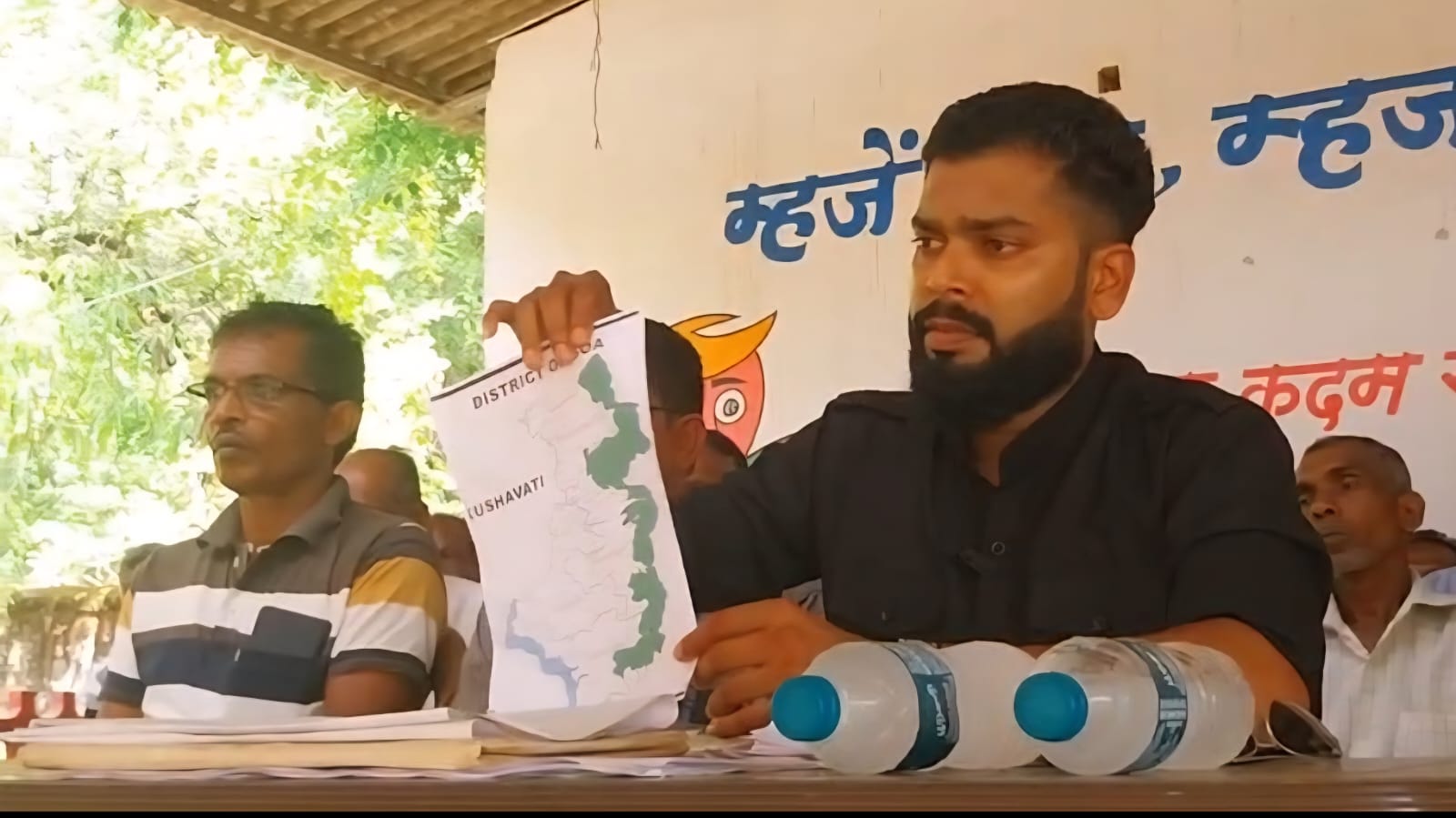
Addressing the media, social activist Shubham Komarpant, along with former panchayat representatives and local residents, said the village possesses historical land records dating back to 1790, which demonstrate long-standing occupancy and ownership rights of local families.
The residents displayed copies of decrees and documents, including records of Occupancy Class-I rights granted to villagers. They alleged that despite the existence of these records, the government has continued with plans to expand the green zone without adequately addressing concerns related to traditional land ownership and habitation.
According to Komarpant, villagers do not oppose forest conservation but want clarity regarding the status of lands included in the proposed expansion. He stated that except for the Avali area, most of Khotigao has been shown within the proposed forest belt.
“We have records dating back more than 200 years, including documents from 1790 and subsequent occupancy rights granted to residents. Houses, cultivation fields, plantations and temples that have existed for generations must be protected,” he said.
Residents also pointed out that a 1995 order aimed at regularising lands occupied by villagers has remained pending, leaving many families uncertain about their legal status. They alleged that despite awareness of existing land rights, portions of the area were declared reserved forest in 1994.
Komarpant expressed concern that if nearly 80 per cent of the village is designated as green belt or reserved forest, it could raise questions about the future of hundreds of families dependent on agriculture and traditional livelihoods.
The villagers have also voiced fears about possible displacement and resettlement. They contend that relocation of entire communities would be impractical and could disrupt livelihoods, social networks and cultural heritage built over generations.
Residents said they would soon submit a memorandum to Chief Minister Dr. Pramod Sawant seeking clarification on the proposed expansion and demanding protection of residential areas, agricultural lands and places of worship before any final decision is taken.
The government and Forest Department are yet to issue a detailed response to the concerns raised by the villagers.