Team Goemkarponn
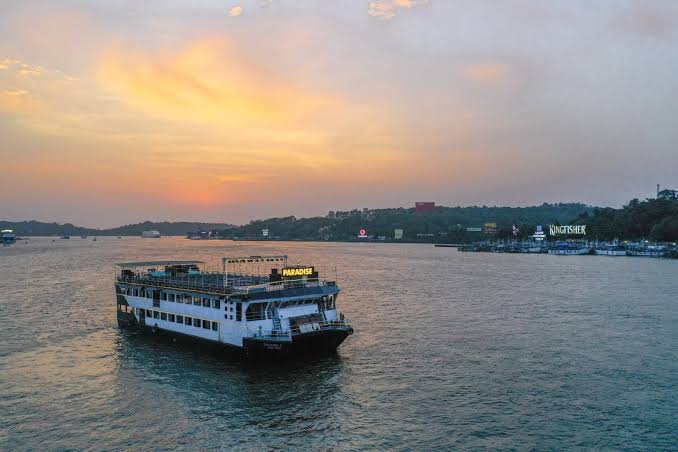
PANAJI: While the Mandovi River has recorded a gradual improvement in water quality in recent years, sewage-related pollution continues to affect several stretches of the river, according to the Goa State Pollution Control Board (GSPCB).
The findings emerged during a review of long-term water quality data collected under the Central Pollution Control Board’s National Water Quality Monitoring Programme. The assessment was undertaken as part of ongoing efforts to evaluate the health of the river and follows queries raised regarding the condition of Mandovi waters.
According to the Board, bacterial contamination remains a persistent concern, with faecal coliform levels at multiple monitoring locations continuing to exceed permissible limits prescribed for bathing, recreational activities and commercial fishing. During the 2025-26 monitoring period, most samples collected from the designated stations failed to meet the required standards.
Despite these concerns, officials noted a positive trend in recent years. The latest monitoring data indicates that the overall extent of contamination has reduced compared to previous assessment periods. Several locations, including areas near IFFI Jetty and the Mandovi Bridge, recorded lower bacterial counts following the monsoon season.
The review revealed that upstream stretches of the river, particularly around Tonca-Marcela, Amona and industrial areas near Vedanta, continue to register higher contamination levels than downstream locations closer to Panaji.
Seasonal variations were found to significantly influence water quality. During the monsoon months, increased surface runoff carries pollutants, sewage and waste into the river, leading to a rise in bacterial contamination. In contrast, post-monsoon monitoring generally recorded improved conditions.
The Board identified multiple factors contributing to pollution in the river, including the discharge of inadequately treated sewage, leakages from septic tanks, waste entering through tributaries, river-based activities and poor waste management practices along the riverbanks.
Interestingly, officials observed a marked improvement in water quality during the COVID-19 lockdown period, when reduced human activity led to lower pollution levels. Although contamination increased after normal activities resumed, recent data suggests that bacterial levels have begun to stabilise and decline.
To further improve river health, the GSPCB has proposed coordinated action involving various government departments. Recommended measures include strengthening inspections, evaluating the performance of sewage treatment facilities, enhancing monitoring mechanisms and identifying specific sources of pollution affecting the river.
The Board emphasised that sustained intervention, improved wastewater management and stricter pollution control measures will be essential to restoring and preserving the ecological health of the Mandovi River for future generations.