


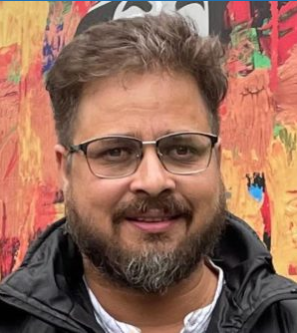
“Lobo’s inclusion as Chairman of the GSIDC is particularly telling. Once the Leader of Opposition, he was among the most high-profile Congress MLAs to switch sides. But the political warmth he might have expected from the BJP leadership never quite followed. There have been murmurs of discontent in his camp, especially as he found himself without much say in key decisions or constituency-level development projects. Appointing him to GSIDC, a body that oversees major public infrastructure works, seems designed to restore a measure of status, or at least to keep him from drifting away before the next election.”
The Goa government’s latest round of appointments to key boards and corporations has generated more political whispers than applause. On paper, the list looks like a routine reshuffle intended to strengthen governance and reinvigorate state institutions. But look a little deeper and the moves seem far more political than administrative.
Antonio Vas, Kedar Naik, Michael Lobo, Sankalp Amonkar, Chandrakant Kavlekar and others have been handed the reins of influential state bodies ranging from the Khadi and Village Industries Board to the Goa State Infrastructure Development Corporation (GSIDC). Each of these positions comes with not just responsibility but also political visibility and influence. The timing of these appointments – with less than two years to go for the 2027 Assembly elections — is what makes them interesting.
The ruling dispensation appears to be engaging in an exercise familiar to anyone who has followed Goan politics: keeping its flock together. The BJP-led government, which consolidated power after engineering a series of defections from the Congress in 2022, has had to manage an uneasy coalition of expectations. Many of these defected MLAs were promised both political relevance and access to state mechanisms. Over time, some of them, notably Michael Lobo, began to express unease over being sidelined.
Lobo’s inclusion as Chairman of the GSIDC is particularly telling. Once the Leader of Opposition, he was among the most high-profile Congress MLAs to switch sides. But the political warmth he might have expected from the BJP leadership never quite followed. There have been murmurs of discontent in his camp, especially as he found himself without much say in key decisions or constituency-level development projects. Appointing him to GSIDC, a body that oversees major public infrastructure works, seems designed to restore a measure of status, or at least to keep him from drifting away before the next election.
It is worth noting that the GSIDC chairmanship is not a ceremonial post. It comes with significant control over tenders, contracts, and state-funded projects.
This makes it both a political carrot and a logistical lever. By giving it to Lobo, the government signals a mix of confidence and caution: confidence that he will remain loyal, and caution that he might not if ignored further.
The same logic applies to other appointments. Kedar Naik, a first-time MLA from Saligao, takes charge of the Goa Tourism Development Corporation (GTDC), a plum assignment with direct interface with the private sector and local stakeholders. Sankalp Amonkar, another defector from the Congress, has been given the Sewage and Infrastructural Development Corporation (SIDCL), which holds considerable influence in the coastal belt. These are not random choices; they are calculated placements intended to keep political allies occupied, relevant, and dependent.
Even the appointment of Aleixo Sequeira as Chairman of the Goa Law Commission fits this larger pattern. Sequeira, who represents Nuvem, has maintained a relatively low profile since resigning as minister two months ago, the BJP. Giving him a statutory body to head helps the government present an image of inclusivity while ensuring his loyalty remains intact.
One could argue that such appointments are standard practice in Indian politics — that rewarding MLAs with posts is part of coalition management. But the problem lies in what this approach signals to the public. Instead of showcasing merit, expertise, or performance, the government seems to be distributing posts as political currency. Administrative boards that should ideally be driven by professionals are increasingly becoming platforms for appeasement.
The result is a dilution of governance quality. When these institutions are led by politicians more concerned with political optics than functional outcomes, the larger developmental agenda risks being compromised. Goa’s boards and corporations, many of which handle critical sectors like tourism, education, and infrastructure, need visionary leadership, not political caretakers.
That said, the government’s defenders might argue that involving MLAs directly in administrative roles improves accountability and speeds up implementation. There is some merit in that argument. However, it also depends on whether these appointments translate into real work or merely serve as titles for political convenience.
In the end, the timing of these decisions cannot be ignored. With the 2027 elections drawing closer, the BJP appears to be fortifying its ranks, preempting rebellion, and neutralising any potential dissent. The message is clear: everyone has a chair, as long as they stay in the room.
Whether this strategy strengthens the government or merely postpones discontent remains to be seen. But what is certain is that these appointments tell us less about governance and more about the political anxieties of those in power. Goa’s development may continue, but its politics — as always — remains the real game behind the scenes.
