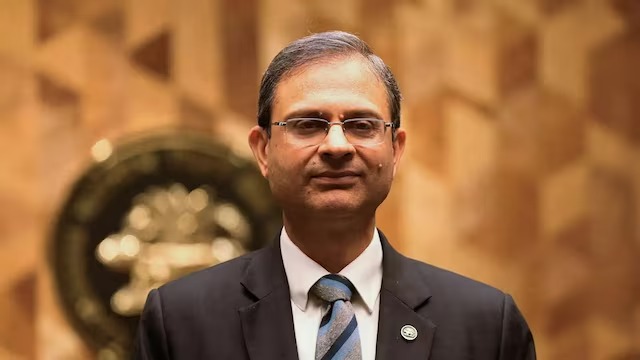
New Delhi: The Reserve Bank of India on Wednesday raised the repo rate by 25 basis points to 5.50% from 5.25%, marking its first rate increase since February 2023. The decision was taken unanimously by the Monetary Policy Committee as the central bank moved its policy stance from ‘neutral’ to ‘calibrated tightening’.
RBI Governor Sanjay Malhotra said the change reflected the central bank’s focus on containing inflation while maintaining overall macroeconomic stability. He said economic activity in India remained broad-based and the economy was expected to remain resilient despite uncertainties in the global environment.
The RBI also raised its real GDP growth forecast for financial year 2026-27 to 7.1%, up from the earlier projection of 6.7% made in August. The higher forecast signals continued confidence in domestic economic momentum.
The rate decision comes against a backdrop of inflationary pressures, elevated crude oil prices, global economic uncertainty and pressure on the Indian rupee. The central bank’s move is aimed at maintaining price stability while balancing the need to support sustained economic activity.
Small UPI Fee Unlikely to Hit Payment Volumes
Malhotra also addressed the possibility of introducing a small fee on Unified Payments Interface transactions. He indicated that a modest charge was unlikely to have a major impact on overall UPI payment volumes.
UPI has become a major part of India’s digital payments ecosystem, with millions of transactions conducted every day. Any changes to its pricing structure could therefore have implications for consumers, banks and payment service providers.
What the Rate Hike Means for Borrowers
The 25-basis-point increase could lead to higher borrowing costs for customers with floating-rate loans, including home loans, depending on how banks and financial institutions transmit the policy change.
Existing borrowers could see their loan tenures or monthly EMIs rise if lenders increase their lending rates. New borrowers may also face higher interest costs.
For savers, however, higher interest rates could eventually translate into better returns on fixed deposits and other interest-bearing instruments, depending on how banks adjust their deposit rates.
The RBI’s latest decision therefore marks a shift towards tighter monetary policy, with inflation control becoming a stronger priority even as the central bank maintains a positive outlook for India’s economic growth.
Sorry, there was a YouTube error.