New Delhi: India and Germany have reaffirmed their commitment to strengthening cooperation in renewable energy as both countries seek to enhance energy security, reduce dependence on imported fossil fuels and advance sustainable development goals.
The focus on clean energy collaboration was highlighted during the tenth session of the Indo German Partnership for Green and Sustainable Development Conversation Series, which centred on the theme of energy security through renewable energy. The event brought together policymakers, industry leaders, renewable energy experts, think tanks and private sector representatives to discuss strategies for accelerating the clean energy transition.
A key theme throughout the discussions was the growing importance of renewable energy in ensuring stable and secure energy supplies amid global geopolitical uncertainties and fluctuating fossil fuel markets. Participants explored measures to strengthen resilience through investments in solar power, wind energy, battery storage systems and green hydrogen technologies.
German Ambassador to India Dr. Philipp Ackermann emphasised that renewable energy is no longer only a climate imperative but has become a strategic and economic necessity for nations seeking greater energy independence. He highlighted the long standing partnership between India and Germany, which has evolved beyond traditional development cooperation to encompass climate action, sustainable growth and green technologies.
The two countries are currently collaborating across a range of sectors, including renewable energy deployment, energy storage, grid integration, energy efficiency, green mobility, biodiversity conservation and climate adaptation.
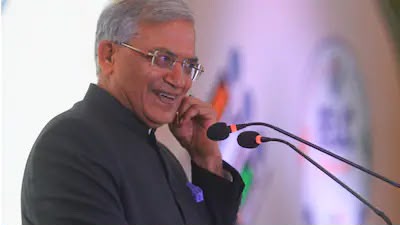
Speaking at the event, MNRE Secretary Santosh Kumar Sarangi underlined the importance of energy security in the current global environment. He noted that renewable energy sources have a critical role in reducing vulnerability to external energy shocks while supporting sustainable economic growth.
India has set ambitious clean energy targets, including achieving 500 GW of non fossil fuel electricity capacity by 2030 and reaching net zero emissions by 2070. Currently, non fossil fuel sources account for nearly 54 percent of the country’s installed electricity capacity.
Experts at the forum stressed that achieving these goals will require significant investments in energy storage, grid modernisation, domestic manufacturing and public private partnerships. They noted that the next phase of India’s energy transition will depend not only on cleaner technologies but also on the ability to integrate, finance and efficiently utilise renewable energy across the economy.
As India works toward its vision of becoming a developed nation by 2047, renewable energy and energy security are expected to remain central pillars of long term economic growth and climate resilience.
Sorry, there was a YouTube error.