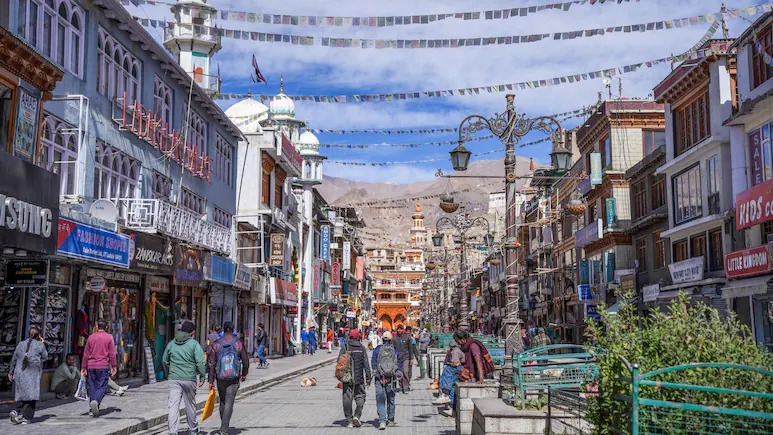
New Delhi: A newly approved liquor policy in Ladakh has sparked widespread criticism, with political leaders and civil society organisations questioning the administration’s claim that easier access to alcohol will help curb drug abuse in the Union Territory.
The policy, approved by Lieutenant Governor Vinai Kumar Saxena, significantly liberalises the region’s liquor regulations. Under the new framework, the sale of hard liquor, including foreign liquor and Indian Made Foreign Liquor (IMFL), will be permitted through retail outlets. Previously, only beer, wine and ready-to-drink beverages could be sold through such stores.
Officials have defended the decision, arguing that the earlier restrictive system created an artificial shortage of alcohol, which in turn encouraged the use of smuggled liquor and narcotic substances. The administration says the policy is designed to improve regulation, support tourism, increase revenue and provide consumers with a wider range of legal options.
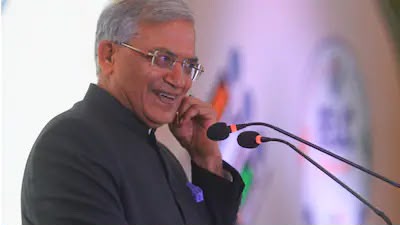
However, the move has drawn sharp opposition from Haji Hanifa Jan, who questioned the logic behind using alcohol as a tool to combat drug addiction. He argued that introducing greater access to liquor in the name of tackling substance abuse amounted to replacing one harmful habit with another.
The youth wing of the Ladakh Buddhist Association also criticised the policy, warning that it could pose a threat to the region’s social fabric. The organisation said it never supported expanding hard liquor sales as a solution to drug abuse and expressed concern that increased alcohol availability could create additional social and health challenges.
Similar objections were raised by the Kargil Democratic Front. Its co-chairman, Sajad Kargili, argued that alcohol itself is an intoxicant and may act as a gateway to further substance dependence rather than a remedy.
The policy introduces several major changes, including increasing the number of liquor outlets from two to twenty, allowing alcohol consumption within hotel rooms and simplifying the licensing process. Documentation requirements for obtaining liquor licences have been significantly reduced, while certain administrative clearances previously required have been removed.
Despite the administration’s assertion that the policy followed extensive consultations with civil society and religious groups, opposition to the reforms continues to grow, with critics demanding a reconsideration of the decision.
Sorry, there was a YouTube error.