NEW DELHI: India has made it clear that the future of the Indus Waters Treaty will depend entirely on Pakistan’s actions, stating that any possibility of restoring the agreement in its previous form rests on Islamabad taking credible and irreversible steps to eliminate terror infrastructure and end cross border terrorism.
Government sources said the treaty’s future remains uncertain and stressed that meaningful action against terrorism is the key factor in determining whether any water sharing arrangement can move forward. According to them, there is no evidence so far that Pakistan has taken effective measures to address India’s long standing security concerns.
India also rejected Pakistan’s claims that the suspension of the treaty has caused water shortages across the border. Officials argued that Pakistan’s water crisis is largely the result of inadequate storage capacity, widespread leakages and unresolved disputes over water distribution among its own provinces. They accused Islamabad of attempting to shift blame onto India instead of addressing its domestic water management challenges.
The government further alleged that individuals and organisations sanctioned by the United Nations Security Council’s 1267 Sanctions Committee continue to operate publicly in Pakistan, while intelligence inputs indicate that terrorist activities along the Line of Control remain active.
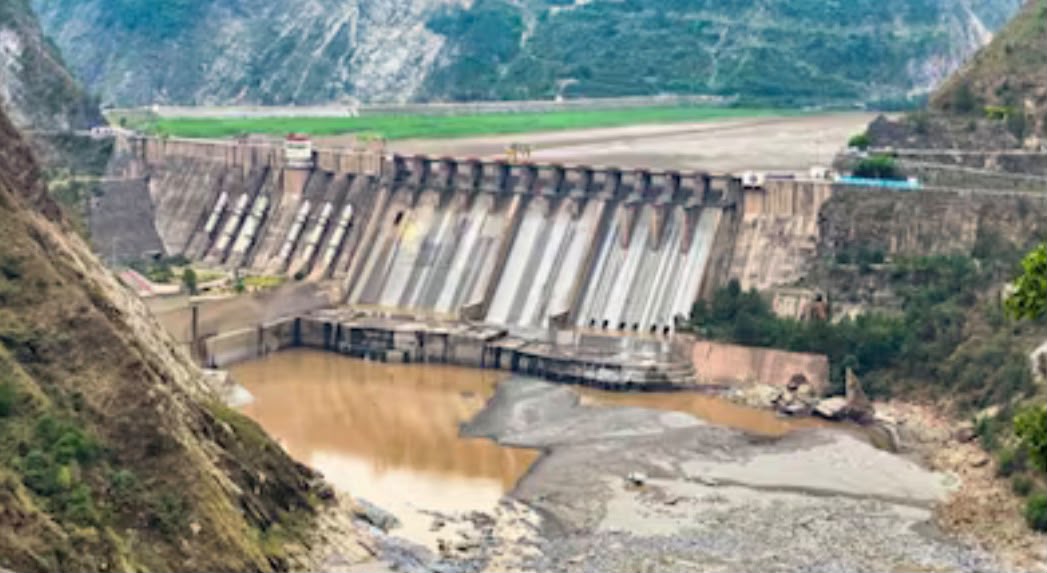
Sources also accused Pakistan of repeatedly obstructing India’s hydropower projects on the western rivers by raising objections to nearly every project regardless of its technical design. Projects including Salal, Tulbul, Baglihar, Kishenganga, Ratle and Pakal Dul have all faced prolonged disputes. Even a small 200 kilowatt hydropower project intended to supply electricity to a remote tribal area reportedly encountered objections.
India maintained that Pakistan has frequently misused the treaty’s dispute resolution process by escalating technical disagreements to international forums instead of resolving them through the mechanism outlined in the agreement. Officials said this pattern has delayed several development projects while reflecting an approach focused on obstruction rather than cooperation.
Signed in 1960 after years of negotiations, the Indus Waters Treaty governs the sharing of the Indus river system, with India controlling the eastern rivers and Pakistan receiving rights over the western rivers while allowing India limited hydroelectric development on those waters.