New Delhi: India has reaffirmed its long standing position on the South China Sea, emphasising that maritime disputes should be resolved peacefully in accordance with international law and the United Nations Convention on the Law of the Sea (UNCLOS). The government also reiterated its support for the landmark 2016 arbitral tribunal ruling that rejected China’s expansive maritime claims in the disputed waters.
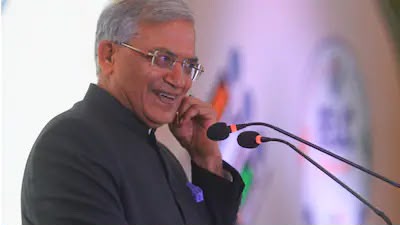
Speaking at the Ministry of External Affairs’ weekly media briefing, MEA spokesperson Randhir Jaiswal said India’s position remains consistent and is guided by the principles of UNCLOS. He stressed the importance of ensuring freedom of navigation, overflight and uninterrupted maritime commerce in accordance with international law.
India described the 2016 arbitral tribunal award as a significant milestone and said it continues to provide an important legal foundation for the peaceful resolution of disputes among the concerned parties. The government reiterated that differences over maritime boundaries should be addressed through dialogue and legal mechanisms rather than confrontation.
India’s remarks came shortly after the United States, the United Kingdom and 12 other countries issued a joint statement marking the tenth anniversary of the tribunal’s decision. The group reaffirmed its commitment to a free, open and rules based Indo-Pacific and stated that the ruling remains final and legally binding for the parties involved in the case.
The joint statement also rejected expansive maritime claims based on so called historic rights and urged all parties to settle disputes peacefully under international law. It opposed unilateral actions, coercion and the use of force that could threaten regional peace and stability, while calling for the protection of lawful maritime activities.
The 2016 ruling by the Permanent Court of Arbitration in The Hague concluded that there was no legal basis for China’s claims under the Nine Dash Line, which covers a large portion of the South China Sea. China has rejected the verdict and continues to refuse its recognition.
India has consistently advocated a rules based order in the Indo-Pacific, maintaining that adherence to international law and UNCLOS remains essential for ensuring regional stability, secure maritime trade and peaceful coexistence in one of the world’s most strategically important waterways.
Sorry, there was a YouTube error.