Team Goemkarponn
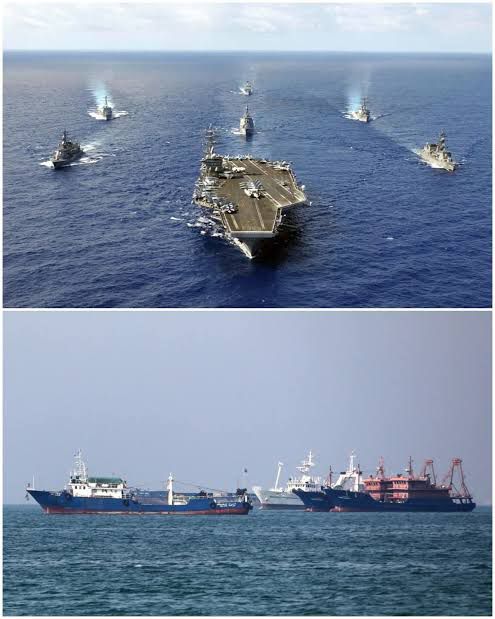
New Delhi: The ongoing tensions involving the United States, Iran, and Israel have escalated further, with military actions at sea and diplomatic signals unfolding simultaneously. The United States Central Command confirmed that it has enforced a naval blockade near Iranian ports, preventing at least ten ships from departing within the first two days of operations. According to officials, no vessel has successfully crossed the blockade since it began earlier this week.
In response, Iran has issued a strong warning. Mohsen Rezaei, a senior adviser to Supreme Leader Mojtaba Khamenei, stated that Tehran could target US vessels in the strategically critical Strait of Hormuz if Washington continues its naval enforcement in the region. The Strait remains one of the world’s most vital oil transit routes, making any disruption a matter of global concern.
Amid rising tensions, China has stepped in diplomatically, calling for de escalation and emphasizing the importance of maintaining free navigation in international waters. Beijing’s outreach to Iran reflects growing concern over the potential economic and security impact of prolonged instability in the region.
Parallel to these developments, diplomatic channels remain active. A delegation from Pakistan, led by Asim Munir, has engaged with Iranian officials to explore the possibility of renewed talks between Tehran and Washington. There are indications that future negotiations could take place in Islamabad, signaling an effort to prevent further escalation through dialogue.
The White House has also conveyed cautious optimism about the prospects of continued engagement with Iran, suggesting that diplomatic solutions are still on the table despite the current military standoff.
As tensions persist, the situation remains fluid, with both confrontation and negotiation shaping the next phase of this high stakes geopolitical conflict.