Team Goemkarponn
New Delhi: The Centre is expected to introduce a detailed provision in Parliament outlining the allocation of Lok Sabha seats for each state, as part of its broader delimitation plan. The proposed move aims to ease growing concerns among several states by indicating that their percentage share in the House is likely to remain unchanged, even if the total number of seats increases.
This clarification may come through a legislative “schedule,” a section that provides additional details to support the main law. The step is being considered amid strong objections from southern states and others like Odisha, which fear that population-based delimitation could reduce their political representation despite successful population control measures.
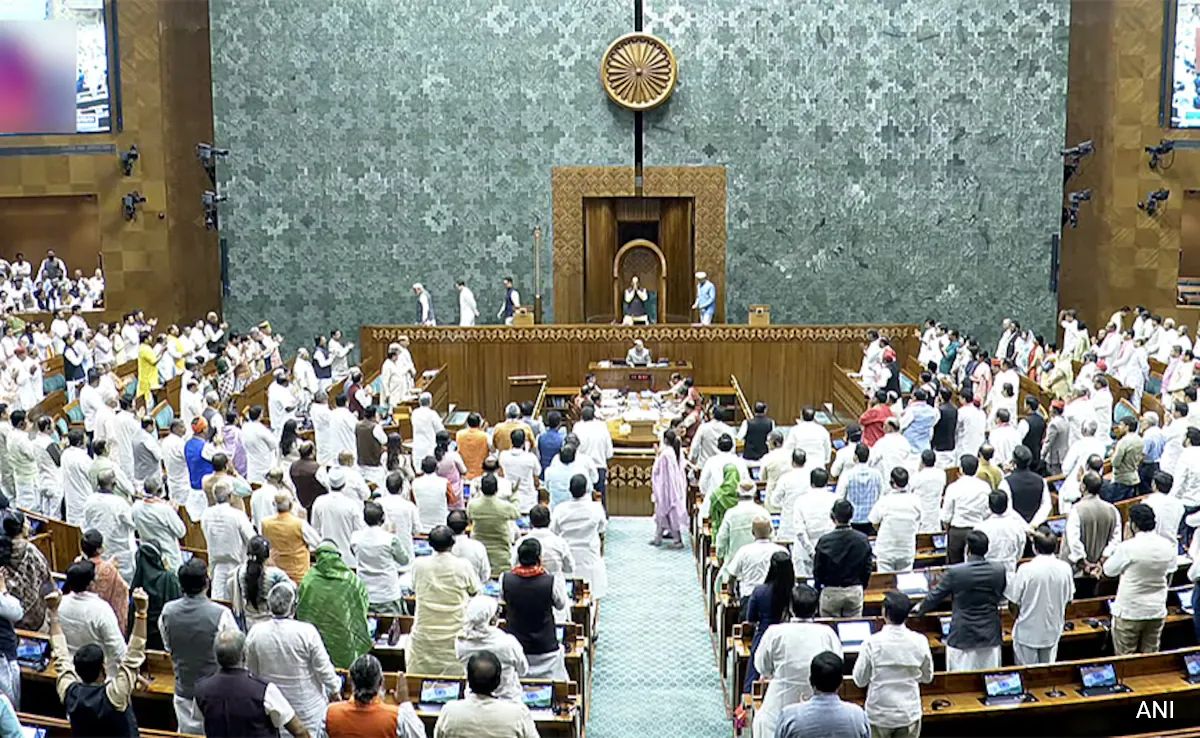
The development comes alongside plans to introduce three key bills during a special sitting of Parliament. These include the Constitution (One Hundred and Thirty-First Amendment) Bill, 2026, and the Delimitation Bill, 2026, to be presented by Arjun Ram Meghwal, and the Union Territories Laws (Amendment) Bill, 2026, to be introduced by Amit Shah. The government may also move procedural changes to fast track their passage.
A major proposal under discussion is expanding the strength of the Lok Sabha from 543 to 850 seats. Of these, 815 would represent states and 35 would be allocated to Union Territories. This expansion is linked to implementing 33 percent reservation for women under the Nari Shakti Vandan framework, which the government aims to operationalise ahead of the 2029 general elections.
Narendra Modi has called for broad political support, emphasizing that women’s reservation reflects a national aspiration. However, opposition leaders, including Mallikarjun Kharge and Rahul Gandhi, have backed the quota in principle while opposing its linkage with delimitation. They argue that the process must be transparent and should not disadvantage any state.
The government, meanwhile, has reiterated that no state will lose seats and that the reforms aim to ensure fair representation. The proposed schedule is seen as a step toward building consensus as the debate over delimitation continues.