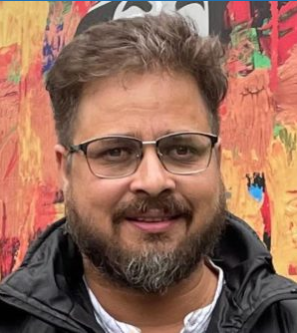
Suraj Nandrekar
As Goa inches closer to another election cycle, an interesting political migration is underway. Not from Goa to London, but from Goa’s politicians to London.
Over the past few weeks, several prominent Opposition leaders have either landed in the United Kingdom or are expected to attend events there. Goa Forward Party chief Vijai Sardesai is already in London along with his wife and party leader Durgadas Kamat. Leader of Opposition Yuri Alemao and Quepem MLA Altone D’Costa have also reached the UK. A few months earlier, RGP MLA Viresh Borkar spent nearly a month touring Britain.
At first glance, these visits may appear routine. Goa has a large diaspora in the UK, and Goa Day celebrations on July 20 are important cultural events. Politicians often engage with overseas Goans to maintain ties and promote the state’s interests.
But timing in politics is rarely accidental.
With elections drawing nearer, these visits reflect a growing recognition that the UK-based Goan community remains an influential political constituency, even if many of its members do not vote directly in Goa. Their influence extends through family networks, social circles, business connections and increasingly through social media. Many families in Goa have relatives in London, Leicester, Swindon or other British cities. Political opinions formed abroad often travel back home through phone calls, WhatsApp groups and family discussions.
In today’s interconnected world, political influence is no longer restricted to those physically present in a constituency. A son working in London may not cast a vote in Goa, but he may influence the voting choices of parents, siblings and relatives who do.
This explains why political leaders are keen to be seen among diaspora communities. These interactions help build visibility, generate goodwill and create narratives that can travel back to Goa. For Opposition parties especially, the diaspora offers an audience that is often vocal, politically aware and deeply interested in developments back home.
The issue becomes even more significant when one considers the growing debate around Portuguese passport holders. Thousands of Goans have acquired Portuguese citizenship and subsequently moved to the UK and other European countries. While they may no longer be Indian citizens, their emotional, cultural and family ties with Goa remain strong.
Vijai Sardesai has repeatedly advocated greater recognition of the rights of Portuguese passport holders and has argued for dual citizenship. His position reflects a political reality that no major party can ignore. This community contributes significantly through remittances, investments and support to families in Goa. Naturally, politicians see value in engaging with them.
Yet there is a larger question that deserves attention. Should political energy be focused on courting overseas audiences while many local issues remain unresolved? Goa continues to grapple with housing concerns, infrastructure gaps, environmental disputes, unemployment and migration of its youth. Voters may wonder whether the enthusiasm displayed abroad is matched by the same intensity in addressing problems at home.
There is nothing wrong with engaging the diaspora. In fact, overseas Goans can contribute ideas, investments and expertise that benefit the state. However, political outreach must not become a substitute for governance.
The rush to London reveals an important truth about modern Goa. Elections are no longer fought only in village squares, market places and local communities. They are also shaped in overseas gatherings, diaspora forums and digital networks that span continents.
The road to power in Goa, it seems, increasingly passes through London. Whether that translates into votes, however, remains a question only Goan voters can answer.