Team Goemkarponn
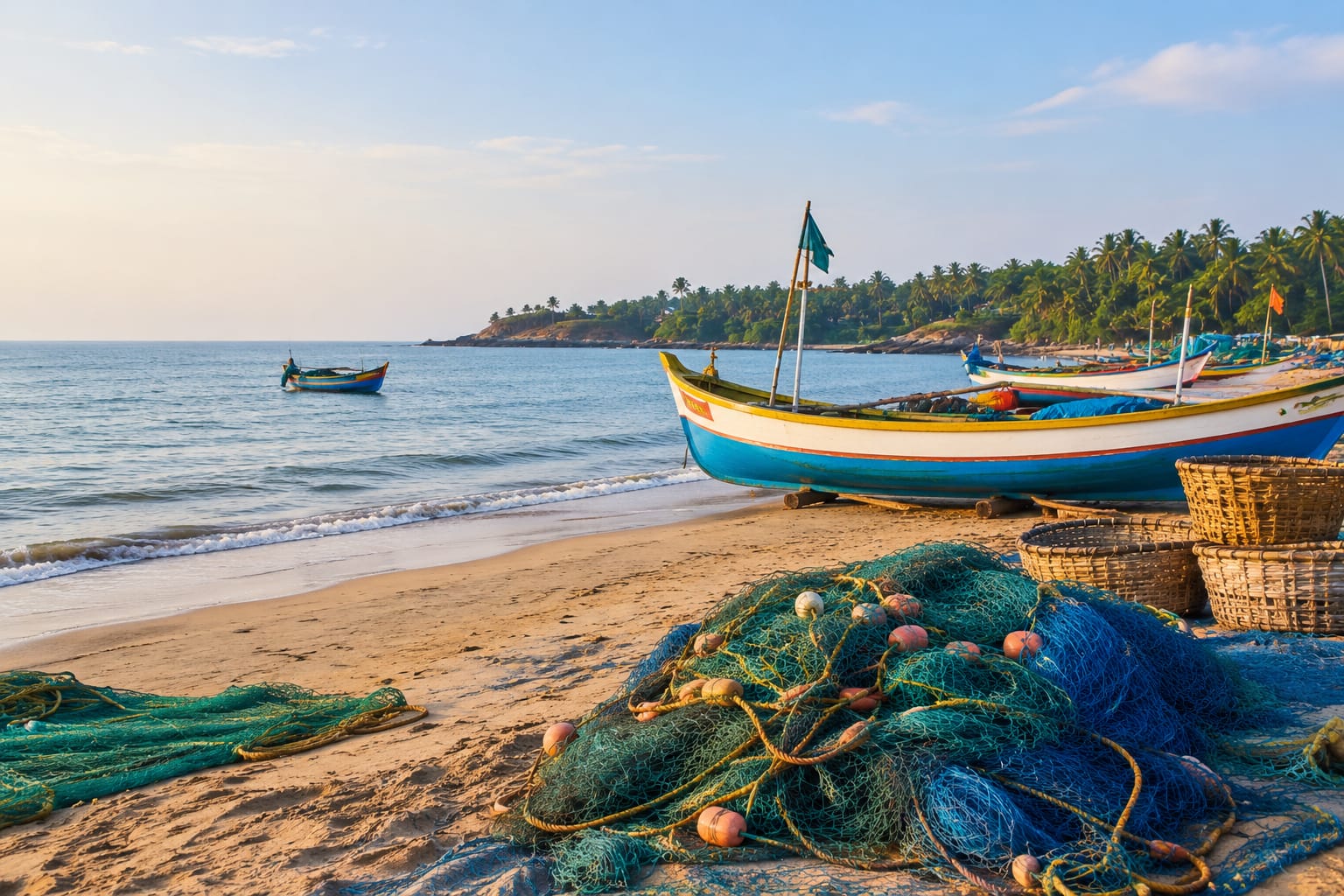
CAVELOSSIM: Goa’s traditional fishing communities have called for stronger legal protection of their livelihoods, citing pressure from coastal development, gaps in regulatory enforcement and growing damage to marine ecosystems.
The concerns were raised on Saturday during the first state-level consultation in Cavelossim to prepare the National Plan of Action (NPOA) for sustainable fisheries. Participants said weak implementation of Coastal Regulation Zone (CRZ) provisions and delays in finalising Coastal Zone Management Plans (CZMPs) were leaving fishing communities increasingly vulnerable to losing access to their traditional spaces.
Fishers said tourism-related activities, infrastructure projects and port development were competing with their customary use of coastal land. They also expressed concern over fishing practices and other activities at sea, including bottom trawling in restricted areas, dredging, water sports and the discharge of effluents, which they said were affecting marine resources.
Seeking corrective measures, participants called for stronger coastal regulation, tighter controls on destructive fishing methods and more effective enforcement of existing fisheries laws. They also demanded priority access to marine resources and designated spaces for activities such as fish sorting, processing and other post-harvest work.
The consultation highlighted the need for a dedicated law to recognise and protect fishers’ rights. Participants said such legislation would help advance the objectives of the Small-Scale Fisheries (SSF) Guidelines and provide greater security to communities dependent on traditional fishing.
Another major recommendation was to clearly distinguish small-scale fishers from large mechanised operators. Participants unanimously opposed including trawlers and purse-seiners in the small-scale fishing category, maintaining that the proposed action plan should focus on people directly involved in fishing and associated livelihoods.
Women fishworkers drew attention to the difficulties they encounter in post-harvest activities. They called for safer and better working conditions, stronger support for household nutrition, opportunities to assume leadership roles and the formation of women’s collectives. Training in product value addition and marketing was also identified as important for improving incomes.
Participants further stressed the need to address the stigma experienced by fisherwomen when travelling on public transport for work, calling for greater public awareness and social acceptance.
The impact of climate change on fishing communities also featured prominently in the discussions. Fishers proposed better early warning arrangements and insurance support to reduce the risks associated with changing weather conditions. They nevertheless emphasised that protecting and restoring coastal and marine ecosystems must remain central to any long-term response.
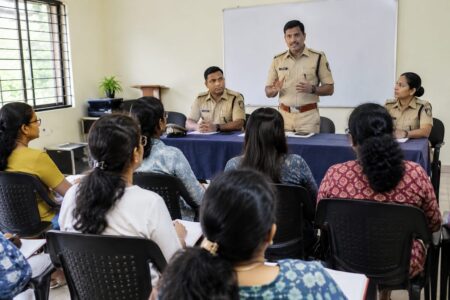
The consultation was facilitated by the National Federation of Small Scale Fishworkers, with support from FAO-BOBP and ICAR-CIFE. Officials from the Goa government’s Department of Fisheries and representatives of the traditional fishworkers’ union Goenchea Raponkarancho Ekvott (GRE) were also present.
Those attending represented a broad cross-section of the fisheries sector, including practitioners of rampon (shore-seine fishing), gillnetting and stake-net fishing, alongside fish vendors, auction workers and processors. The strong participation of women highlighted their significant contribution to Goa’s traditional fisheries and related occupations.