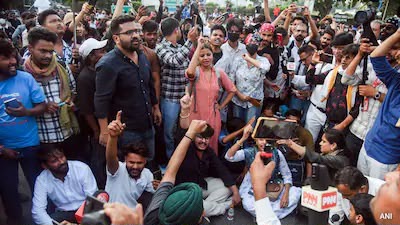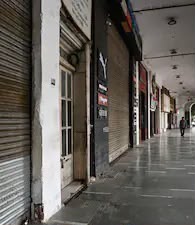
New Delhi: Delhi’s business community has claimed losses worth approximately Rs 11,000 crore following the INDIA bloc rally at Ramlila Maidan on November 1, alleging that the political gathering disrupted commercial activities during the crucial festive shopping season.
The Chamber of Trade and Industry (CTI) estimated that retail and wholesale businesses suffered losses of around Rs 8,800 crore, with commercial activity coming to a standstill across several major markets in the national capital.
According to the trade body, nearly 2.5 lakh of approximately three lakh shops in markets within a five kilometre radius of Ramlila Maidan remained closed. Areas affected included Chandni Chowk, Sadar Bazar, Kashmiri Gate, Connaught Place, Karol Bagh, Paharganj, Chawri Bazar, Daryaganj and other prominent commercial hubs.
The association also estimated losses of Rs 1,500 crore in the transport and logistics sector, claiming that the movement of goods was severely affected within a 10 kilometre radius of the rally venue.
The hospitality and tourism industries reportedly suffered losses of around Rs 500 crore, with bookings cancelled across more than 2,000 hotels, restaurants, guest houses and roadside eateries in central Delhi.
Daily wage earners and workers in the informal sector were also affected. The CTI estimated that nearly 20 lakh people, including loaders, auto and e-rickshaw drivers, street vendors, porters and labourers, lost a day’s earnings, resulting in losses of approximately Rs 200 crore.
Before the rally, the traders’ association had written several letters to Opposition leaders, including Rahul Gandhi, requesting that the programme be postponed until after Diwali to avoid affecting festive business.
Rahul Gandhi, meanwhile, accused the BJP of forcing shops to remain shut and appealed to rally participants to support local businesses by shopping in Delhi. He alleged that traders were being affected by the political developments surrounding the gathering.
The business community’s loss estimates have brought renewed attention to the impact of large political gatherings on commercial activity during important shopping periods.