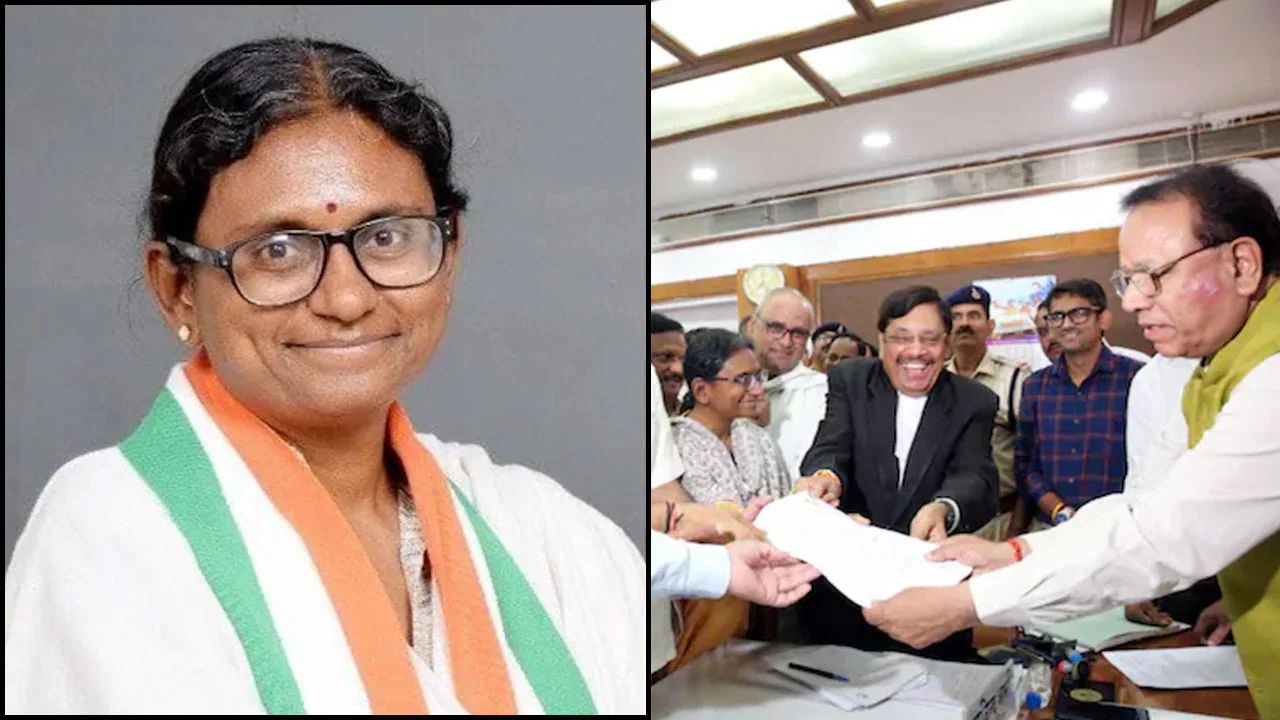
New Delhi: The Congress has approached the Supreme Court challenging the rejection of its Rajya Sabha candidate Meenakshi Natarajan from Madhya Pradesh, escalating a political and legal battle that has left the party without a candidate in the election.
The party is expected to seek an urgent hearing before the court’s vacation bench, arguing that Natarajan’s nomination papers were unlawfully rejected by the Returning Officer following objections raised by the Bharatiya Janata Party.
The controversy centres on allegations that Natarajan failed to disclose details of a legal matter in Telangana while filing her nomination affidavit. The BJP maintained that the omission warranted the rejection of her candidature.
Natarajan has strongly denied the allegations, describing the episode as a politically motivated conspiracy. She asserted that no criminal case had been registered against her and that the matter in question involved only a private complaint.
Speaking after the rejection, the Congress leader accused election officials of acting under political influence. She alleged that the Returning Officers were not functioning independently and were instead working in favour of the ruling establishment.
The Congress has also sought intervention from the Election Commission of India, calling the decision to reject the nomination “unlawful” and demanding that it be overturned. A delegation led by senior advocate and Member of Parliament Abhishek Manu Singhvi met Election Commission officials and submitted a detailed representation on the matter.
According to the party, election laws require disclosure only when a candidate is an accused in a criminal case. Congress leaders argue that since no FIR was filed against Natarajan and no criminal proceedings were initiated against her, there was no legal obligation to mention the Telangana complaint in her affidavit.
The rejection has placed the Congress in a difficult position. As Natarajan was the party’s sole Rajya Sabha nominee from Madhya Pradesh and the nomination deadline has already passed, the party cannot field a replacement candidate.
The Election Commission is expected to examine the issue with legal experts, while the Supreme Court’s response could prove decisive in determining the fate of the contested nomination.