Team Goemkarponn
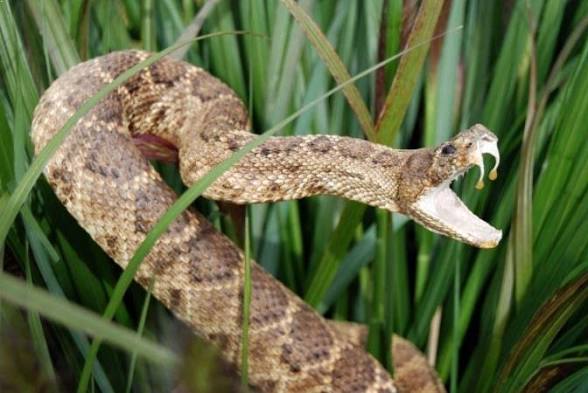
PANAJI: A recent study conducted by Goa Medical College (GMC) has revealed that Goa recorded 1,663 snakebite cases and 30 deaths between 2020 and 2024, highlighting the continuing public health challenge posed by snakebite incidents, particularly during the monsoon season.
The study, carried out by Dr Chetan Karekar and Dr Purvi Mishal from the Department of Forensic Medicine and published in the international journal *The Academic*, found that snakebite cases increase significantly during the rainy months. The researchers noted that young adults between the ages of 21 and 30 were the most affected group, while men accounted for a larger proportion of cases.
According to the findings, most snakebite incidents occurred in rural and forested areas. However, urban centres have also witnessed a rise in cases, a trend experts attribute to habitat disruption caused by rapid construction activity and deforestation.
The study estimates that Goa reports between 500 and 600 snakebite cases annually, averaging nearly two cases per day during the monsoon. The figures reflect a broader national concern, with India accounting for a substantial share of the world’s snakebite burden.
Medical experts have used the findings to renew calls for the creation of a statewide snakebite registry. Former Head of the Pathology Department at GMC, Dr Roque Wiseman Pinto, said such a registry would help authorities collect reliable data, identify high-risk areas and strengthen emergency response systems across the State.
Dr Pinto stressed that healthcare facilities must be adequately equipped with anti-snake venom, ventilators, oxygen support and essential diagnostic services. He also emphasised the need for regular monitoring of anti-venom stocks to ensure availability during emergencies.
Sources at GMC said that a proposal for establishing a snakebite registry has already been put forward by Assistant Professor of Medicine Dr Ramnath Nevrenkar. However, the project is yet to receive the necessary administrative and ethical clearances.
Experts have also highlighted the importance of public awareness regarding first aid and treatment. They advise snakebite victims to remain calm, immobilise the affected limb and seek immediate medical care. Practices such as applying tourniquets, cutting the wound, attempting to suck out venom or relying on traditional remedies are strongly discouraged, as they can delay treatment and worsen outcomes.
Anti-snake venom remains the primary treatment for venomous bites and is administered under medical supervision. Severe cases may require intensive care, ventilator support or dialysis, depending on the effects of the venom.
Medical professionals have further called for awareness campaigns targeting farmers, trekkers, plantation workers, hospitality staff and schoolchildren, particularly ahead of the monsoon season. They maintain that with timely treatment, proper infrastructure and greater public awareness, most snakebite-related deaths can be prevented.