Team Goemkarponn
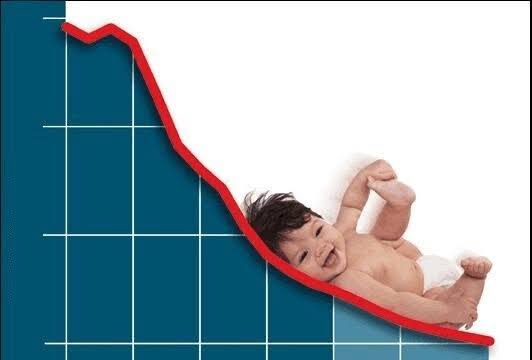
PANAJI: Goa has emerged as the state with the lowest birth rate in India, highlighting a steady demographic shift that experts say could have wide-ranging social and economic consequences in the years ahead.
Recent demographic data indicates that Goa’s crude birth rate has fallen to around 10.8 births per 1,000 people, significantly lower than the national average of over 18. The decline has been gradual but consistent over the past several years.
The Total Fertility Rate (TFR) in the state has also dropped to approximately 1.3, well below the replacement level of 2.1 required for a stable population. This suggests that, on average, women in Goa are having far fewer children than needed to maintain population levels in the long term.
Figures from earlier years show a clear downward trend. About a decade ago, Goa’s fertility rate stood near 1.7, before continuing its fall in subsequent years. Similarly, annual birth registrations have reduced from over 21,000 in the past to around 17,000 in recent years.
Experts link this decline to a combination of social and economic changes, including later marriages, higher levels of education, urban lifestyles, increased cost of living, career priorities, and a growing preference for smaller families. Wider access to reproductive healthcare and family planning services has also contributed to the reduction in birth rates.
While the trend reflects improved health awareness and development indicators, demographers caution that sustained fertility below replacement level could lead to long-term challenges. These include an ageing population, a shrinking workforce, greater reliance on migrant labour, and increased pressure on healthcare and social support systems.
At present, Goa continues to perform well on several health parameters, including low infant mortality and improved maternal care. However, the demographic slowdown has prompted concern among experts and policymakers about ensuring balanced population growth and future workforce stability.