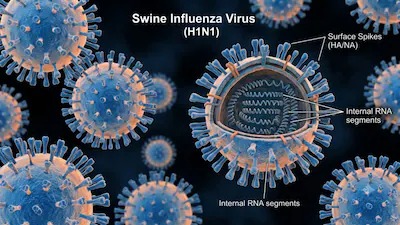
New Delhi: The Indian Medical Association has issued a public health advisory as seasonal influenza A (H1N1), commonly known as swine flu, continues to spread across parts of India. While urging people to remain cautious, the medical body said there is no reason for panic.
Health surveillance indicates that the circulating virus remains seasonal H1N1, with no new genetic mutations identified. Most infections are mild and resolve on their own, but certain patients can develop serious complications and require prompt medical attention.
Swine flu can begin suddenly and commonly causes high fever with chills, persistent dry cough, sore throat, severe muscle aches and fatigue. Headache, a runny or blocked nose and digestive problems such as nausea, vomiting and diarrhoea can also occur, particularly among children.
The IMA has strongly cautioned against taking antibiotics without medical advice. Medicines such as azithromycin, amoxicillin clavulanate and cefixime cannot treat viral infections. Unnecessary antibiotic use can disturb beneficial bacteria in the body and contribute to antimicrobial resistance.
Antiviral medicines such as oseltamivir should also be taken only when prescribed and under medical supervision.
Immediate medical care is needed if a patient develops breathing difficulty, rapid breathing, chest pain, persistent pressure, bluish lips or fingers, blood in the sputum, confusion, extreme drowsiness or seizures. Persistent vomiting and an inability to consume fluids are also warning signs.
For children, inability to feed, unusual lethargy, grunting and severe chest retractions require urgent attention.
The IMA recommends frequent handwashing, covering the mouth and nose while coughing or sneezing and using a well fitted mask in crowded indoor spaces. People with flu symptoms should stay home and avoid close contact with others until they have been fever free for at least 24 hours without fever reducing medication.
Annual influenza vaccination is particularly recommended for healthcare workers, pregnant women, older adults and people with chronic health conditions.
The advisory emphasises that early medical attention, responsible medicine use and basic hygiene remain key to managing the current H1N1 rise.
Sorry, there was a YouTube error.