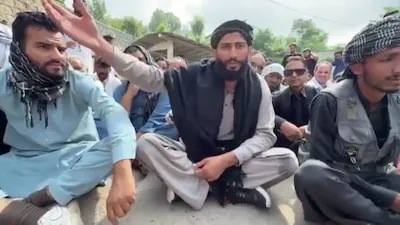
New Delhi: Protest organisers leading the ongoing Long March in Rawalakot have alleged that security forces intensified their crackdown by deploying snipers to target unarmed demonstrators, claiming that more than 35 people have been killed during the first two days of the protests.
According to the organisers, protesters carrying peace flags were seeking safe passage when they came under gunfire. They alleged that security personnel positioned on rooftops fired at demonstrators, with many of those killed suffering gunshot wounds to the head. The claims could not be independently verified.
Organisers further alleged that security forces continued firing intermittently through the night, targeting the lights from mobile phones to create fear and panic among those gathered at the protest site. They also expressed concerns that a large scale security operation could be launched in Rawalakot, particularly around Neel Chowk and nearby areas, where large numbers of protesters remain assembled.
Rejecting allegations that the movement is linked to banned organisations or foreign intelligence agencies, protest leaders accused authorities of attempting to discredit the demonstrations by spreading false narratives. They maintained that the movement is focused on securing political and civil rights for the people of Pakistan occupied Kashmir.
The organisers also claimed that a curfew has been imposed in Mirpur and said women across different parts of the region have joined demonstrations over the past three days in protest against the alleged use of force by security personnel.
Appealing for greater international attention, protest leaders urged foreign journalists to visit the region and report on developments from the ground. They also called on supporters to continue peaceful demonstrations, arguing that online solidarity alone would not be sufficient.
The ongoing unrest is centred around the Joint Awami Action Committee (JAAC), a political and civil rights movement that launched a Long March from Rawalakot towards Muzaffarabad. While the movement initially focused on economic issues, including electricity tariffs, wheat subsidies and governance, it has since expanded its demands to include political reforms. Protesters are seeking the abolition of 12 assembly seats reserved for Kashmiri refugees living in Pakistan, arguing that the arrangement enables Islamabad to exert greater influence over the region’s political affairs.