Team Goemkarponn
PANAJI: Chorao Island’s delicate ecosystem is facing increasing pressure from pollution, habitat degradation and uncontrolled human activity, with a new study warning that stronger conservation measures are essential to safeguard the island’s future.
The research, published in the Seagull Journal (Vol. 3, Issue 4, April 2026), examines the environmental and economic impact of ecotourism in Chorao’s marine protected area. The paper, authored by Ananya Agarwal and Bhoomik Munjal from the Amity School of Economics, Amity University Uttar Pradesh, argues that although ecotourism has enhanced Chorao’s reputation as a nature destination, its benefits have not been evenly shared because of fragmented governance and limited participation of local communities.
To assess Chorao’s conservation efforts, the researchers compared the island with internationally recognised marine protected areas such as Australia’s Great Barrier Reef, the Galápagos Marine Reserve and Apo Island in the Philippines.
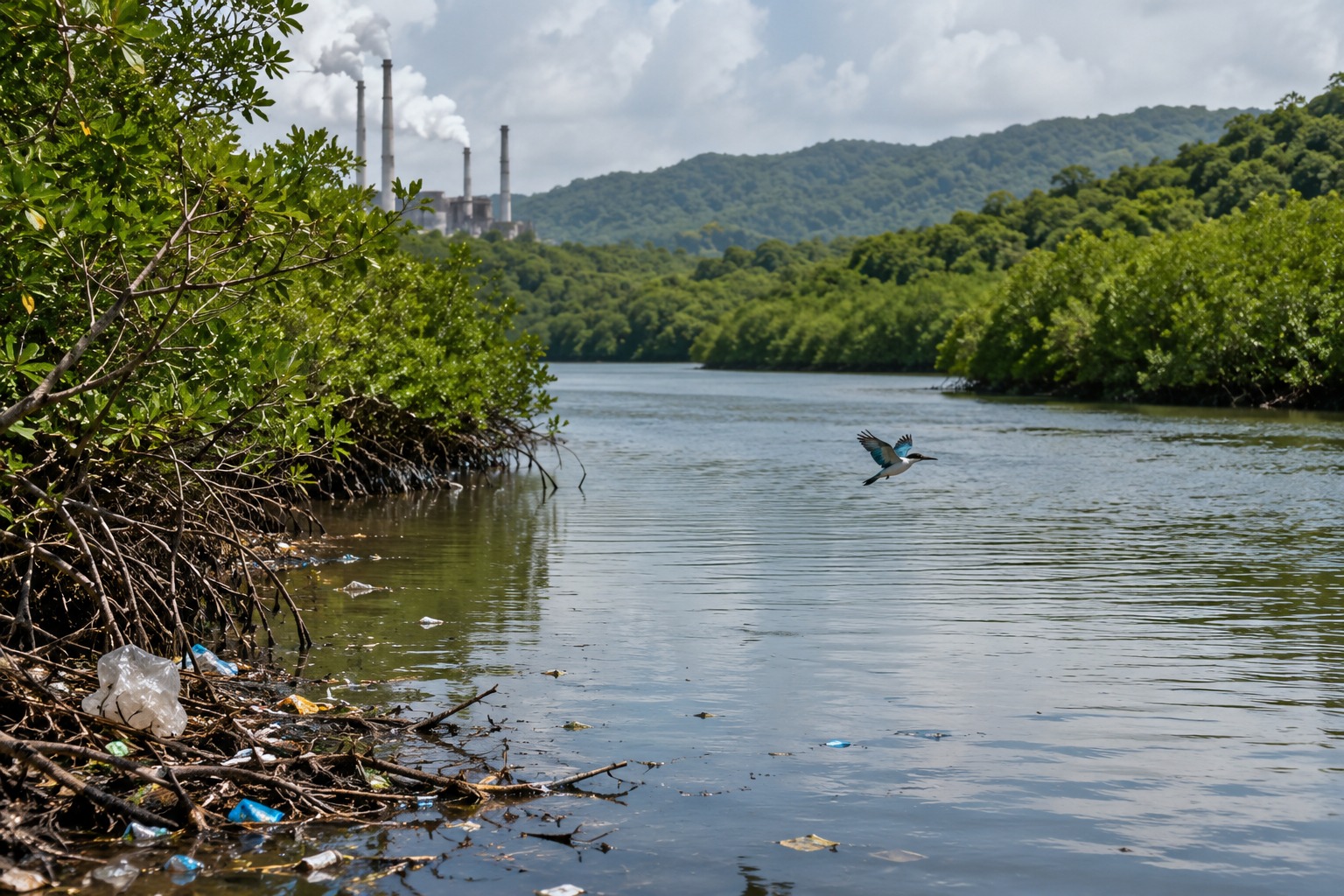
The study identifies industrial pollution as one of the major concerns, stating that toxic metals, including mercury and lead, are entering the Mandovi River from upstream industrial activity. These contaminants accumulate in aquatic organisms, affecting biodiversity as well as the livelihoods of fishing communities.
Agricultural runoff carrying fertilisers and pesticides has also been identified as a growing problem, contributing to algal blooms that reduce oxygen levels in the water and negatively impact fish populations. Plastic waste lodged within mangrove forests is further degrading important breeding habitats for marine species.
Researchers estimate that Chorao lost around 12 per cent of its mangrove cover between 1990 and 2005, largely because of illegal encroachments and shrimp farming. They also point to practices such as cutting mangroves for firewood, destructive mud crab harvesting and the use of fine-mesh fishing nets as factors weakening the island’s ecological resilience.
Climate change is expected to worsen the situation. Rising sea levels and reduced sediment deposits are accelerating coastal erosion and threatening bird nesting habitats. The study projects that nearly 30 per cent of Chorao’s mangrove ecosystem could be lost to sea-level rise during this century if current trends continue.
Tourism-related activities have also emerged as a concern. The report notes that motorised boat rides can disturb nesting birds, while unrestricted visitor movement through mangrove areas damages vegetation and leaves behind litter. Invasive species such as water hyacinth are further altering the island’s wetland ecosystem.
Despite these challenges, the researchers believe Chorao has significant potential to become a model for sustainable ecotourism. They highlight the island’s mangrove forests as natural barriers against coastal erosion, important carbon sinks and habitats supporting more than 120 bird species within the Dr Salim Ali Bird Sanctuary.
The study recommends a more balanced tourism model that directs revenue from entry fees, guided tours and responsible tourism operations towards habitat restoration, mangrove plantation, scientific monitoring and conservation programmes. It also advocates expanding employment opportunities for local residents through eco-guiding, homestays and traditional handicrafts.
The researchers further recommend limiting tourist numbers during environmentally sensitive periods, increasing community participation in tourism management, reinvesting tourism income into conservation and village development, training local eco-guides and incorporating traditional ecological knowledge into future conservation planning.