Team Goemkarponn
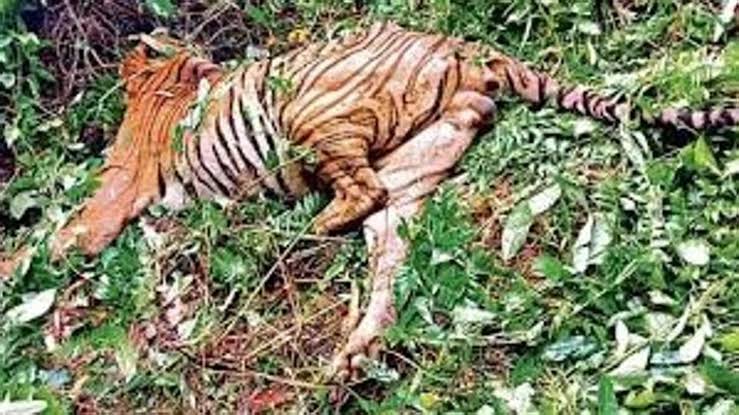
DHARBANDORA: The discovery of a decomposed tiger carcass in Dharbandora is now being seen less as an isolated wildlife death and more as a serious red flag for gaps in Goa’s forest surveillance and response systems.
While forest teams later recovered most of the tiger’s teeth and claws—easing initial fears of poaching—the bigger concern emerging from the incident is the apparent delay in detecting the death. Experts believe the tiger may have been dead for several days before officials reached the site, pointing to possible blind spots in routine monitoring.
The incident has triggered questions over whether existing mechanisms—such as field patrols, camera traps, and tracking systems—are adequately covering high-sensitivity zones known for tiger movement. Wildlife observers argue that in a relatively small state like Goa, such delays suggest systemic inefficiencies rather than isolated lapses.
Officials maintain that decomposition and scavenger activity likely explain the scattered remains. However, conservationists stress that delayed discovery not only hampers accurate forensic analysis but also weakens the ability to rule out foul play conclusively.
The episode has intensified calls for accountability within the forest department, with demands for an audit of surveillance coverage, faster response protocols, and better integration of technology in wildlife tracking.
As veterinary and forensic reports are awaited, the focus has clearly shifted—from how the tiger died to why it went unnoticed for so long—raising broader concerns about the state’s preparedness to protect its top predator.