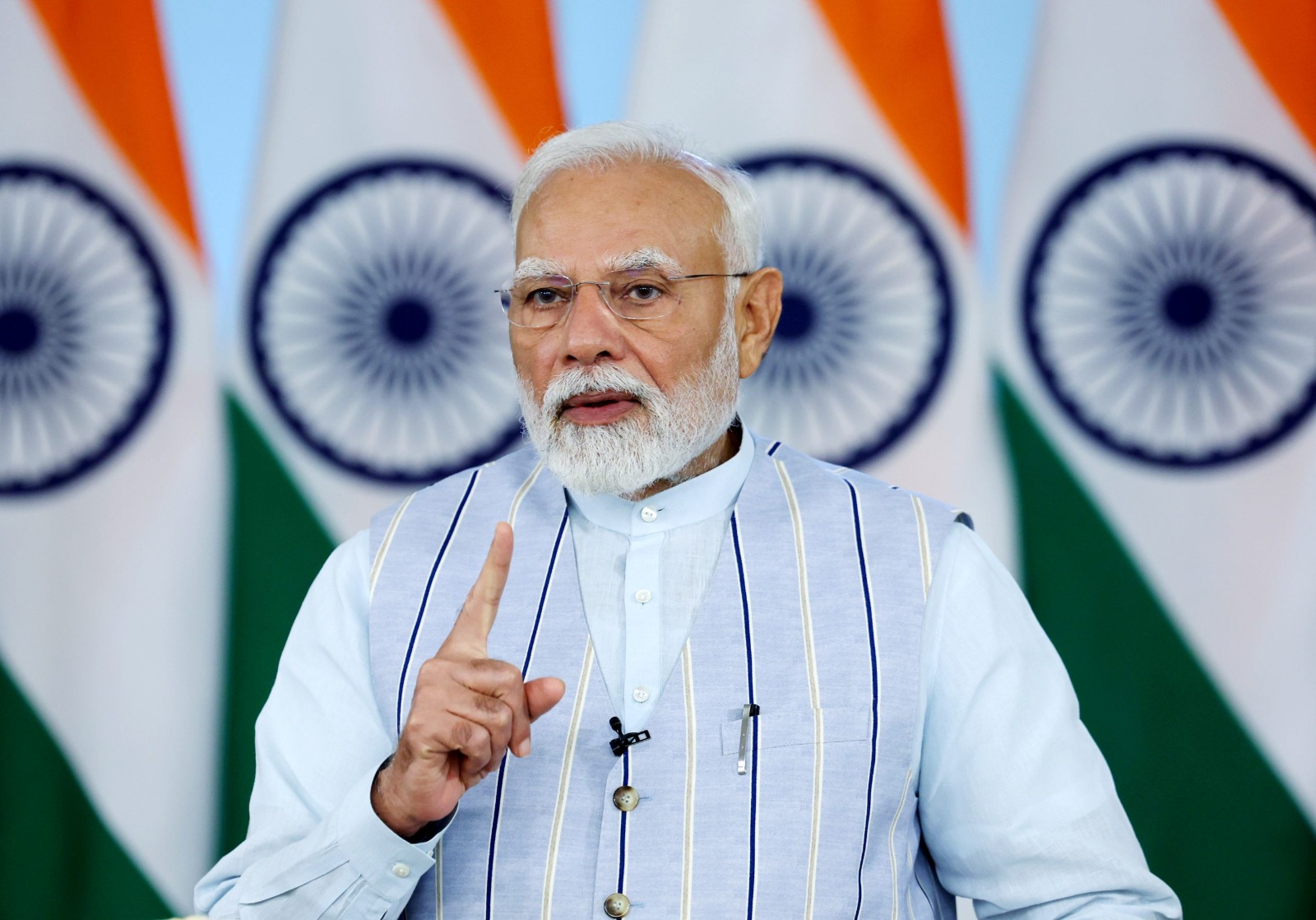
New Delhi: Prime Minister Narendra Modi’s address in Telangana on Sunday carried strong economic undertones as the government appeared to signal growing concern over rising global crude oil prices, pressure on foreign exchange reserves, and the possibility of prolonged economic disruption linked to the ongoing West Asia conflict.
Referring to the economic challenges emerging from instability around the Strait of Hormuz and disruptions in global energy markets, the Prime Minister urged citizens to revive Covid era work from home practices, reduce fuel consumption, avoid unnecessary foreign travel, postpone gold purchases, and cut dependence on imported products and chemical fertilisers.
“Today, the need of the hour is that we restart those practices,” the Prime Minister said while referring to online meetings, video conferences, and remote work arrangements aimed at reducing fuel consumption and conserving resources.
The speech came at a time when crude oil prices have reportedly surged sharply amid fears of supply disruptions. With India importing nearly 90 percent of its crude oil requirements, any sustained rise in global oil prices directly impacts inflation, the trade deficit, and foreign exchange reserves.
The aviation and tourism sectors are expected to face immediate pressure if fuel prices continue to rise. Airlines already dealing with high aviation turbine fuel costs and dollar linked expenses could see margins tighten further. The Prime Minister’s call to avoid unnecessary foreign travel also points towards efforts to reduce forex outflows linked to overseas tourism and luxury spending.
The government’s concern over fuel imports was also reflected in repeated appeals for citizens to use public transport, adopt electric vehicles, carpool, and shift freight movement towards railways. Rising fuel costs could increase transportation expenses across sectors, affecting logistics, food prices, manufacturing, and household budgets.
Agriculture was another key focus area in the speech. The Prime Minister urged farmers to reduce chemical fertiliser use and adopt natural farming practices, highlighting the burden of fertiliser imports on foreign exchange reserves and subsidy spending. Higher energy prices globally could significantly increase fertiliser costs and place additional stress on the rural economy.
One of the strongest signals came through the appeal to avoid gold purchases for weddings for one year. India remains one of the world’s largest gold importers, and reducing such imports could help ease pressure on the current account deficit and conserve foreign exchange during a period of global uncertainty.
The broader manufacturing and MSME sectors may also face challenges from higher fuel prices, rising shipping costs, and increased prices of imported raw materials. Small businesses operating on limited margins are particularly vulnerable to prolonged inflationary pressure and weaker consumer demand.
Taken together, the Prime Minister’s remarks reflected a coordinated effort to prepare citizens and industries for a potentially extended period of economic stress linked to volatile global energy markets, imported inflation, and external financial pressures.
Sorry, there was a YouTube error.