New Delhi: Weeks after the tragic crash of Air India Flight AI-171, which killed 241 passengers and crew members shortly after take-off from Ahmedabad, families of the victims have accused the airline of pressuring them during the initial compensation process. The families claim they were threatened with denial of compensation unless they completed a legal questionnaire issued by the airline — a document they say was filled with complex legal terminology and offered no guidance.
The accusations have been strongly denied by Air India, which labelled them as “unsubstantiated and inaccurate.” The airline insists it is working diligently to provide interim compensation to families in a timely and transparent manner.
A UK-based law firm, Stewarts, which is representing over 40 families of crash victims both in India and the UK, has claimed that Air India forced grieving relatives to fill out a legally complex questionnaire under duress. The firm, in collaboration with Nanavati and Nanavati, a law firm in Ahmedabad, is assisting families in pursuing claims against Air India, aircraft manufacturer Boeing, and other potentially liable parties.
In a statement, Stewarts said that families were told to complete the questionnaire in extreme conditions, without any explanation of the legal implications behind the questions. “We are shocked and appalled that Air India is pressurising families for this information when they are at their most vulnerable,” the law firm said.
The firm also alleged that the form required families to disclose their financial dependency on the deceased, raising concerns that such information could later be used to reduce the compensation amount. “The questionnaire contains legal terms that most families do not understand and could be misinterpreted without legal guidance,” the firm noted. On this basis, Stewarts has advised its clients not to fill out the form, stating that the legal teams will pursue the compensation independently.
In response, Air India issued a detailed statement denying the allegations. The airline said it was merely requesting basic information — such as proof of relationship to the deceased and confirmation of financial dependency — in order to process interim compensation fairly and quickly.
“Air India categorically rejects these allegations and refutes them as both unsubstantiated and inaccurate,” the airline said. “We have made considerable efforts to disburse interim compensation to affected families as early as possible, with some payments released within days of the tragedy.”
The airline clarified that the questionnaire in question was not mandatory to complete at the designated Facilitation Centre in Ahmedabad. Families could opt to submit their forms via email, and those visiting the Centre were provided assistance and even copies of their submissions upon request. Air India staff have been stationed at the Centre to guide families through the process, and relatives are free to seek independent legal counsel, the statement said.
Regarding the financial dependency question, the airline defended its inclusion, saying it was a “fair and necessary” measure to ensure that assistance reaches those most in need. “Processing compensation requires us to verify family relationships and prioritize those who were financially reliant on the deceased. This is standard procedure in compensation matters,” the statement read.
According to the airline, interim compensation has been disbursed to 47 families, while documentation for an additional 55 families has been verified, with payments being processed in stages. The airline said it remains in contact with many other families and their representatives to expedite disbursement of financial aid.
“Starting June 15, a dedicated Facilitation Centre was set up at the Taj Skyline hotel in Ahmedabad to assist families. We are doing everything possible to support the victims’ families with sensitivity and urgency,” the statement added.
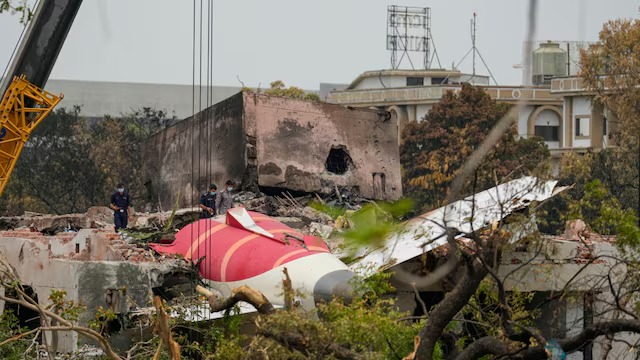
Flight AI-171, a Boeing 787-8 Dreamliner, crashed shortly after departing from Ahmedabad for London, claiming 241 lives out of the 242 on board. The incident is one of the deadliest aviation disasters in recent Indian history. Investigations into the cause of the crash are still ongoing.
As compensation discussions unfold amidst legal complexities and emotional trauma, the dispute underscores the broader challenges faced by victims’ families in navigating the aftermath of such tragedies — especially when dealing with large corporate entities and cross-border legal systems.