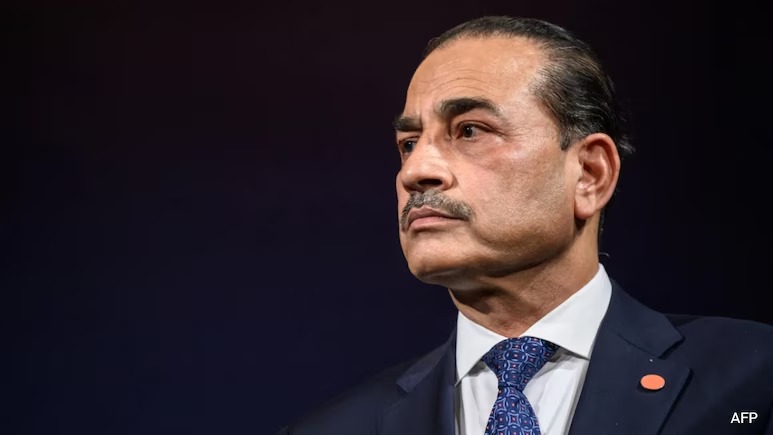
New Delhi: Pakistan’s army chief, Field Marshal Asim Munir, is reportedly considering a major restructuring of the country’s administrative map, with a proposal to divide its four existing provinces into a larger number of smaller units. The reported plan has triggered concerns that the move could consolidate military influence rather than improve governance.
Pakistan currently has four provinces: Punjab, Sindh, Khyber Pakhtunkhwa and Balochistan. The proposed restructuring could create 12, 15 or potentially even 160 smaller administrative units, according to a report published by The Economist.
Supporters of smaller administrative units could argue that the change would make governance more efficient by bringing public services and decision making closer to local communities. Pakistan’s provinces vary considerably in population and geographical size, presenting different administrative challenges.
Punjab, the country’s most populous province, has around 128 million people, while Balochistan has approximately 15 million. However, critics question whether dividing the provinces would address Pakistan’s deeper economic and political problems.
The central concern is that smaller provincial units could become more dependent on the federal government and military establishment. Under the reported proposal, these units could be governed by elected leaders, provincial or district assemblies, or government appointed representatives. Critics fear that such arrangements could weaken established regional political power centres.
Punjab and Sindh have traditionally served as strongholds of major political parties, including the Pakistan Muslim League Nawaz (PML N) and the Pakistan Peoples Party (PPP). Their influence has provided some degree of political competition against the central government and military establishment.
Munir’s growing influence over Pakistan’s political system has also intensified scrutiny of the proposal. Prime Minister Shehbaz Sharif’s government operates amid considerable military influence, while former prime minister Imran Khan remains imprisoned and political activity supporting him has faced restrictions.
Pakistan’s economic difficulties have added to the debate. Critics point to persistent inflation, sluggish growth and the military’s substantial economic interests as factors that cannot be resolved simply by redrawing administrative boundaries.
The military’s influence over national security policy, including relations with India, is another source of concern. Critics argue that prolonged hostility between the neighbours carries economic costs and can reinforce arguments for higher defence spending.
Ultimately, the reported proposal raises a fundamental question about Pakistan’s future: whether administrative restructuring would improve public governance or further concentrate political authority in the hands of the military establishment.