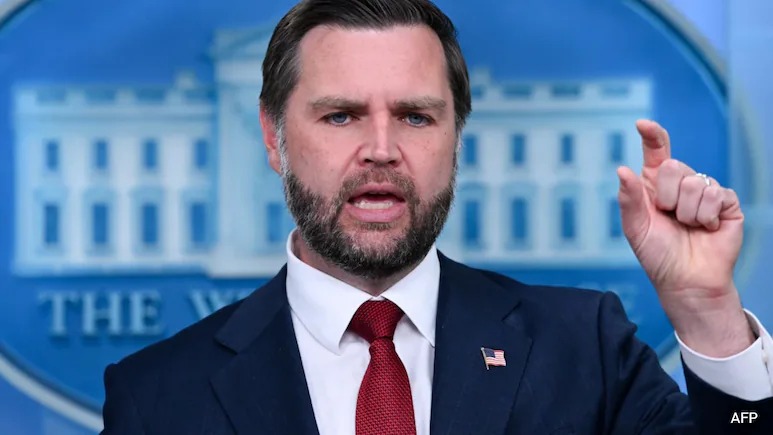
New Delhi: India has criticised US Vice President JD Vance for describing foreign workers as “indentured servants”, calling his remarks unwarranted and offensive. The Ministry of External Affairs said Indian professionals in the United States are highly skilled contributors who support innovation, research, productivity and economic growth.
The response follows the US decision to suspend participation by eight major technology companies in the Permanent Labour Certification programme, commonly known as PERM. The programme is an important step in the employer-sponsored green card process and is used to establish whether qualified American workers are available for a particular position.
The affected companies include Microsoft, Tata, Wipro, Infosys, Adobe, Cognizant, HCL and Capgemini. The restrictions were linked to allegations that the programme had been used in ways that disadvantaged American workers.
In its response, India stressed that the movement of skilled professionals benefits both countries. The Foreign Ministry said Indian talent supports American businesses through specialised expertise, research, innovation, competitiveness and job creation, while also contributing to shareholder value.
“This is therefore an area of tremendous mutual benefit for the two countries,” the ministry said, adding that the steps announced by Washington did not advance the shared ambitions of India and the United States.
New Delhi also objected to Vance’s language, arguing that it ignored the contributions of Indian professionals to the American economy. It noted that generations of immigrants had helped shape the United States through their labour, enterprise and innovation.
The ministry described the phrase “indentured servants” as deeply offensive because of its painful historical and colonial associations.
What the PERM suspension means for Indian workers
India clarified that the PERM programme is separate from the H-1B visa system. The suspension, by itself, does not invalidate existing H-1B visas or automatically change the immigration status of current H-1B visa holders and their dependants.
However, the restrictions could affect the permanent residency process for eligible employees of the companies concerned, potentially delaying or complicating their green card applications.
Vance’s comments followed allegations that Microsoft had used the labour certification process to replace American employees with foreign workers. He argued that US companies should prioritise hiring qualified American workers rather than relying on overseas talent.
The dispute highlights growing tensions over immigration, technology employment and the role of foreign professionals in the American economy. For India, the issue is particularly significant because Indian professionals form a major part of the US technology workforce.
The disagreement also presents a challenge for India and the United States as they seek to strengthen economic and strategic ties while managing differences over immigration policy and access to skilled talent.
Sorry, there was a YouTube error.