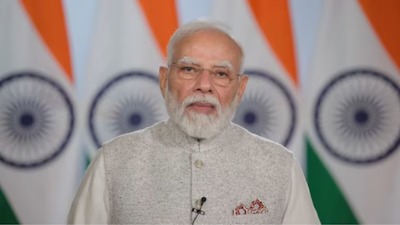
New Delhi: Prime Minister Narendra Modi has welcomed a fresh set of Goods and Services Tax (GST) reforms approved by the GST Council, saying the proposed changes will simplify compliance, improve transparency and make the tax system more taxpayer friendly.
The recommendations were approved at the 57th GST Council meeting held in New Delhi on October 8, 2026. The reforms cover enforcement, prosecution, penalties, notices, refunds, registration, returns and litigation, with a focus on reducing the compliance burden on businesses and taxpayers.
In a post on X, Modi said the removal of arrest provisions, greater decriminalisation and simpler procedures would have a “very positive impact”. He highlighted faster decisions, lower compliance costs, automated refunds and trust based administration as key priorities.
One of the major proposals is the removal of the power of arrest under GST. The prosecution threshold is also set to increase from ₹1 crore to ₹5 crore, while the provision for minimum punishment will be removed. Courts would have the discretion to decide whether a case warrants a fine, imprisonment or both.
The general penalty applicable where no specific penalty is prescribed is proposed to be reduced from ₹25,000 to ₹10,000. The Council has emphasised that taxpayers who file returns late, make mistakes or delay payments should face applicable recovery, interest and proportionate penalties rather than excessive action.
The proposed changes also seek to make GST enforcement more dependent on identifying irregularities through data. The system’s ability to match invoices issued by sellers with those reported by buyers can help detect fake input tax credit, reducing the need to rely primarily on deterrent measures.
Another proposal is to standardise GST notices and litigation procedures. Under the recommendations, notices would not be issued when the amount involved is below ₹10,000.
The Council is also examining safeguards for genuine buyers who possess valid invoices, have received the goods and have paid their suppliers in full. A Committee of Officers will study the issue within three months, after which the matter will be placed before the next Council meeting.
The reforms aim to make GST administration more predictable and efficient while strengthening transparency and reducing unnecessary compliance costs for businesses.
Sorry, there was a YouTube error.