


The death of 20-year-old Tanvi Ghadi in Sanguem is not just another tragic headline. It is a stark reminder of how casually handled danger can turn fatal in a matter of seconds. What should have been an ordinary gathering among friends has instead left a family grieving, a young life cut short, and a community asking difficult questions about responsibility and awareness.
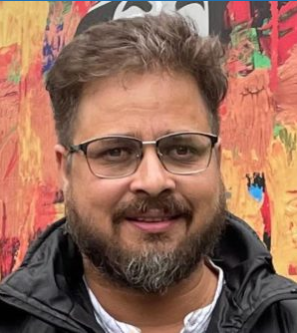
According to initial reports, Tanvi, a resident of Sanquelim, died after being struck by a bullet allegedly fired unintentionally by her friend Sweth Gaude, a 23-year-old crane operator from Bicholim. The rifle, authorities say, was being handled casually when it discharged. That single moment of negligence has now spiralled into irreversible loss.
At the heart of this incident lies a deeply troubling issue: the normalization of carelessness around firearms. Guns are not props. They are not objects to be passed around lightly or handled without training and discipline. Every firearm, whether licensed or otherwise, carries with it an inherent risk that demands respect. When that respect is absent, tragedy becomes a matter of probability, not possibility.
Goa is not a region commonly associated with gun violence. That is precisely why this incident feels even more jarring. It exposes a gap not just in enforcement, but in awareness. How did a firearm end up in a casual social setting? Was it legally owned? Were basic safety protocols understood by those present? These are not procedural questions alone. They are questions that speak to a broader culture of complacency.
There is also a human dimension that cannot be overlooked. Two young lives now stand altered forever. One has been lost. The other faces the weight of legal consequences and the psychological burden of having caused irreversible harm, even if unintentionally. It is easy to frame this as an accident. But accidents, especially those involving lethal weapons, are rarely without preventable causes.
The law will take its course. The police investigation will piece together the sequence of events. Accountability, in legal terms, will be determined. But beyond the courtroom, there is a larger societal reckoning that must follow. This incident should compel authorities to revisit how firearm ownership is regulated, monitored, and, importantly, educated.
Licensing a weapon should not be treated as a routine administrative process. It must be accompanied by rigorous training, periodic reviews, and strict accountability. More importantly, there needs to be a sustained public conversation about firearm safety. Awareness cannot be reactive, triggered only after tragedy strikes. It must be proactive and persistent.
Equally important is the role of individuals. Responsibility does not end with obtaining a license. It begins there. Safe storage, restricted access, and a clear understanding of handling protocols are basic expectations, not optional practices. The idea that a firearm can be brought into a casual gathering and handled freely points to a dangerous disregard for these fundamentals.
There is also a cultural aspect that deserves scrutiny. In many settings, especially among younger groups, there can be a misplaced sense of bravado associated with handling weapons. This needs to be challenged. A firearm is not a symbol of status or thrill. It is a tool designed with a singular, serious purpose. Treating it otherwise is a risk that no one can afford.
For Tanvi Ghadi’s family, these conversations come too late. Their loss is permanent. But for the rest of society, this moment must not pass as just another news cycle. It must become a point of reflection and change.
If there is any lesson to be drawn from Sanguem, it is this: negligence around lethal weapons is never minor. It is never harmless. And it is never without consequences. The cost, as this tragedy shows, can be a human life.
