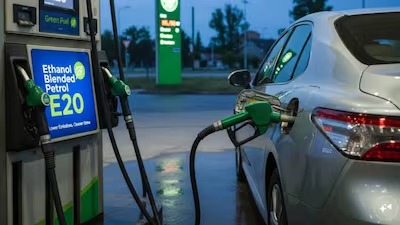
New Delhi: The Centre has issued a detailed clarification countering claims circulating on social media about the E20 ethanol blended petrol programme, rejecting concerns ranging from excessive water use and engine damage to doubts over insurance and environmental impact.
In a ten point explanation, the Ministry of Petroleum and Natural Gas said the programme, which blends up to 20 percent ethanol in petrol, is backed by scientific studies, global adoption and regulatory safeguards. The government said misinformation around the initiative was creating unnecessary confusion among vehicle owners.
Responding to claims that ethanol production requires extremely high water consumption, the ministry said actual usage is significantly lower, typically between three and five litres of processed water per litre of ethanol. It added that modern distilleries increasingly operate Zero Liquid Discharge systems, allowing water reuse. Only surplus agricultural stock is used for ethanol production after food security needs are met, while maize with lower irrigation demand is becoming a major source.
Officials also rejected arguments that E20 is an untested fuel, noting its long standing use in countries such as the United States, Brazil, Canada, Japan and several European nations.
On concerns about vehicle performance, the ministry cited studies and trials showing no significant impact on drivability or efficiency in compatible vehicles. It added that while some older rubber components may need earlier replacement, no systemic engine damage has been observed.
The government also denied claims that warranties or insurance coverage would be affected and dismissed viral allegations about water contamination and insect attraction in fuel.
At the same time, a broader question continues to surface among consumers. While policy debates focus on technical standards and environmental targets, ordinary vehicle owners say their primary expectation is simple. They want their cars and bikes to run smoothly without unexpected costs or doubts. In that sense, a key concern being raised is whether consumers can truly be held responsible for adapting to changes they did not design, when their only requirement is reliable daily mobility.
The ministry said the programme has reduced crude oil imports, cut emissions and improved farmer incomes, while India achieved its 20 percent blending target ahead of schedule in 2025.