Team Goemkarponn
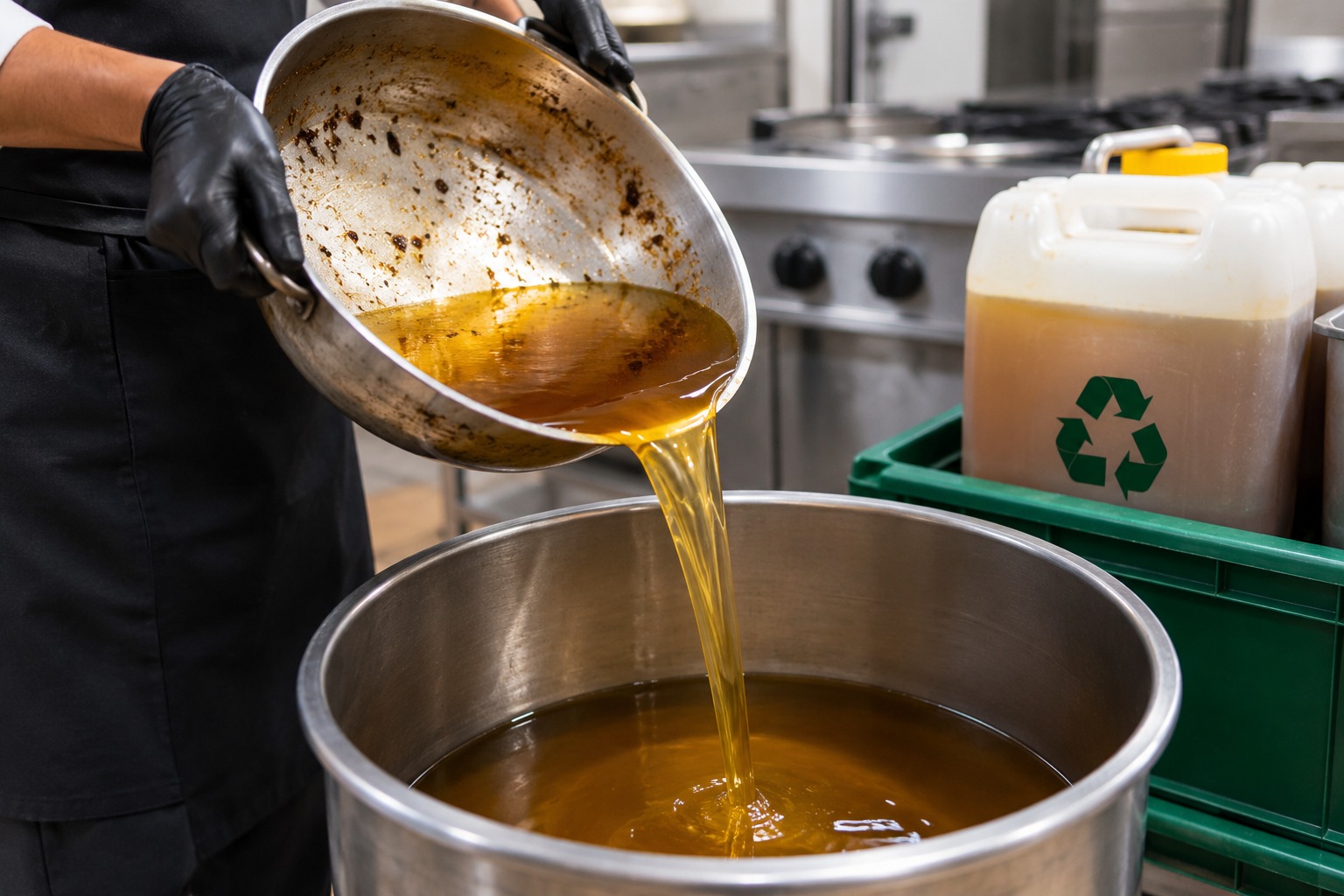
PANAJI: The Food and Drugs Administration (FDA) has called for tighter controls over the collection and disposal of used cooking oil in Goa, warning that weak enforcement and inconsistent purchase prices could allow the oil to be diverted into unauthorised channels.
In its October 8 submission to the Goa Energy Development Agency (GEDA), the department recommended a series of safeguards, including regulated purchase prices, compulsory registration of collectors, digital tracking of oil movement and penalties for violations. It also proposed incentives to encourage food establishments to follow the rules.
The recommendations come as Goa prepares to implement its State-specific Used Cooking Oil (UCO) Policy, notified by the government in August. The policy aims to prevent used cooking oil from being reused in food preparation and promote its recycling into biodiesel.
The FDA has cautioned that some of the shortcomings seen under the national UCO framework, introduced in Goa in 2018, need to be addressed to ensure the new policy achieves its objectives.
One of the key concerns is the pricing offered by oil collectors. According to the department, some aggregators quote unusually high rates to secure supplies from food establishments. However, when the cost of the raw material becomes too high, converting the collected oil into biodiesel may no longer be economically viable. This, the FDA warned, creates the risk of the oil being channelled into uses that are not authorised.
To reduce this risk, the department has suggested establishing a price range based on prevailing biodiesel market rates and production costs. It believes a regulated pricing mechanism could discourage practices that make legitimate recycling commercially unviable.
The FDA has also proposed bringing every collector and collection agent under a mandatory registration system. Under its recommendation, only registered entities should be permitted to collect used cooking oil from restaurants, hotels and other food businesses.
Another proposal involves introducing an online monitoring platform to record collections and track the quantity of oil moving through the system. A common dashboard accessible to food business operators, collectors, government authorities and biodiesel manufacturers would help improve traceability and make it easier to identify irregularities.
The department has further called for enforceable penalties against food establishments and collection agents who disregard the policy. It has stressed that violations must attract meaningful consequences and recommended strict action, including police intervention against unauthorised collection activities.
Along with stricter oversight, the FDA has suggested rewarding businesses that contribute to the programme. Possible measures include recognition, accreditation certificates and a 50 per cent reduction in statutory licence fees for food business operators that make significant contributions to the initiative.