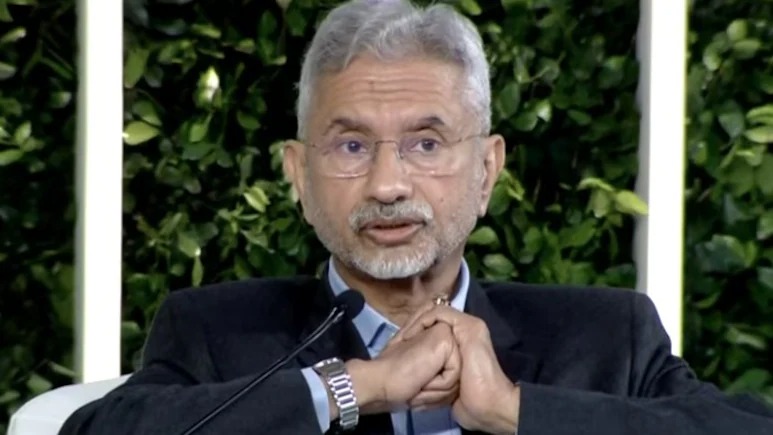
New Delhi: External Affairs Minister S Jaishankar held key discussions with his counterparts from Kuwait and Singapore as tensions escalated in West Asia following the implementation of a United States blockade on Iranian ports.
During his conversation with Kuwaiti Foreign Minister Sheikh Jarrah Jaber Al-Ahmad Al-Sabah, the focus remained on the evolving regional situation and the safety of the Indian community residing in Kuwait. The well-being of Indian nationals in the Gulf continues to be a priority as geopolitical uncertainties rise.
Jaishankar also spoke with Singapore’s Foreign Minister Vivian Balakrishnan, where both leaders exchanged perspectives on the ongoing conflict in West Asia and its broader global implications. The discussions reflected growing international concern over the potential economic and security impact of the crisis.
The diplomatic outreach comes shortly after talks between Iran and the United States concluded without a resolution. Soon after, Donald Trump announced that the US military would enforce a blockade preventing ships from accessing Iranian ports. The move includes restrictions on maritime traffic through the strategically vital Strait of Hormuz, a key global energy route.
The Strait of Hormuz is one of the world’s most crucial shipping corridors, handling nearly 20 percent of global oil and liquefied natural gas transport. Any disruption in this region has significant implications for international energy markets and supply chains.
India’s diplomatic engagements signal close monitoring of the situation, with emphasis on safeguarding its citizens abroad while assessing the broader economic and geopolitical consequences of the unfolding crisis.
Sorry, there was a YouTube error.