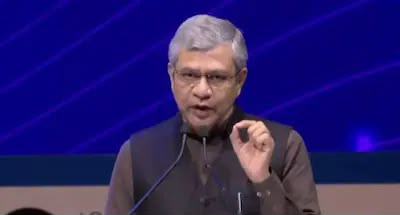
New Delhi: Amit Shah has praised voters in Bhabanipur following the high-profile electoral defeat of Mamata Banerjee, describing the result as a clear signal against what he termed disorderly governance. His remarks came after the closely watched contest in the constituency drew national attention.
In a public statement, Shah commended the electorate for their decision, suggesting that the outcome reflects growing resistance to political styles perceived as confrontational. He framed the verdict as an indication of what lies ahead for leadership that, in his view, promotes instability.
Banerjee, a dominant figure in West Bengal politics, lost the Bhabanipur seat to Suvendu Adhikari by a margin of over 15,000 votes. The constituency has long been considered a stronghold of the Trinamool Congress, making the result particularly significant in the broader political landscape of the state.
Bhabanipur has often served as a symbolic battleground, closely tied to Banerjee’s political standing. Its outcome carries weight beyond a single seat, influencing narratives around leadership and governance in West Bengal. The latest result is being interpreted by the BJP as a reflection of changing public sentiment.
Shah’s comments align with the party’s broader messaging, which emphasises law, order, and administrative stability. By portraying the verdict as a rejection of what it calls “anarchic governance,” the BJP aims to strengthen its position and expand its influence in the state.
While the Trinamool Congress continues to hold a strong presence across West Bengal, the BJP has been steadily working to build momentum. The Bhabanipur result, in this context, is being projected as a key moment in an evolving political contest, where electoral outcomes are increasingly viewed as indicators of larger trends in voter preferences.