Team Goemkarponn
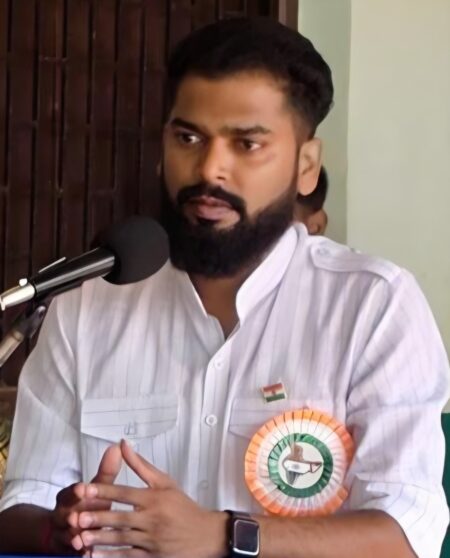
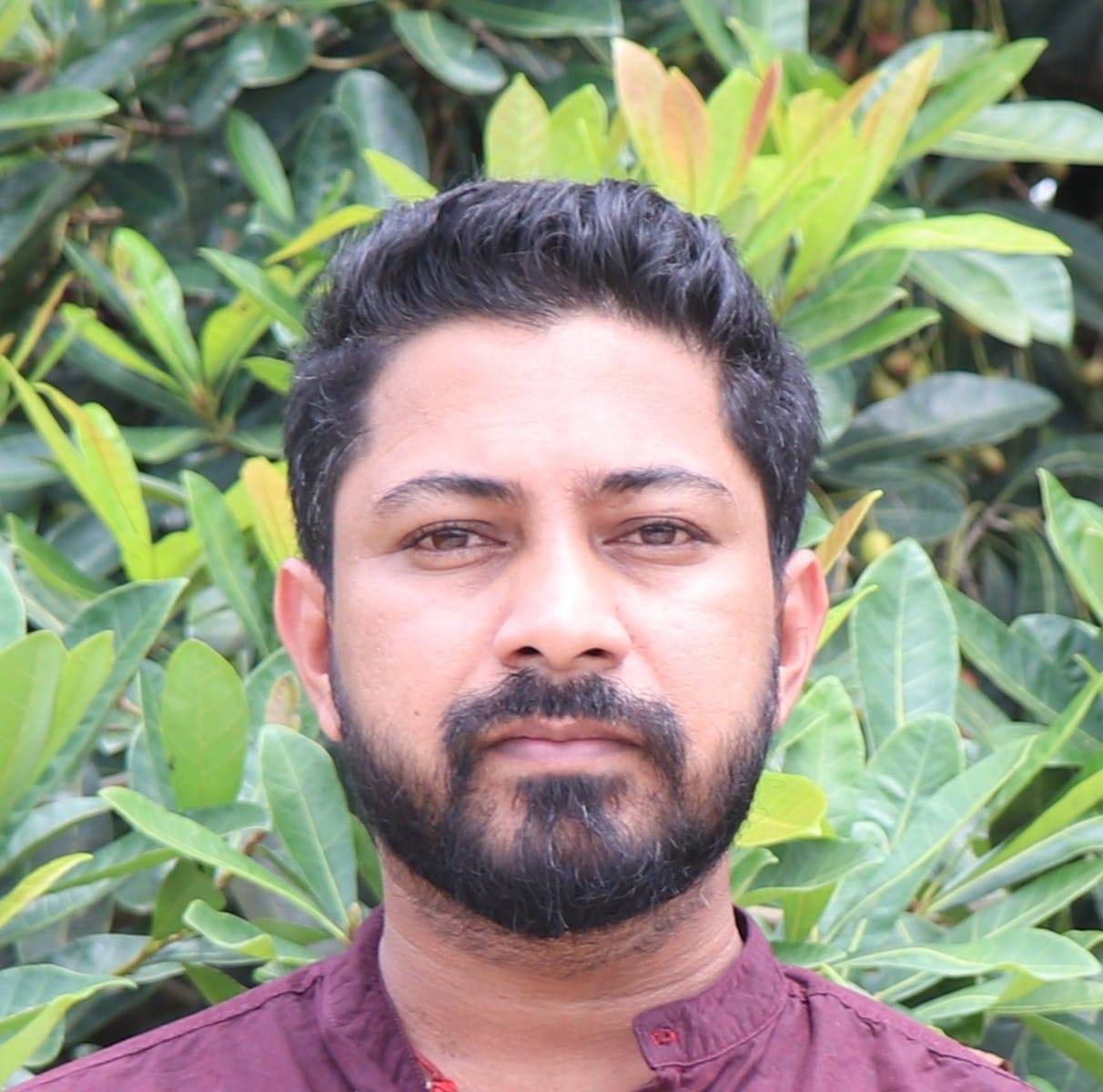
PANAJI: Former Revolutionary Goans Party (RGP) member Manoj Parab has criticised Goa’s political establishment over what he describes as its silence on the #KannadaIsMore slogan, alleging that vote-bank politics is preventing leaders from openly addressing concerns related to illegal settlements, regularisation and community rights.
In a strongly worded statement, Parab alleged that political parties were balancing promises to different sections of voters to protect their electoral interests. He claimed that while some residents were being approached with assurances regarding the regularisation of settlements, other voters were being offered promises concerning government jobs, land protection and religion.
Parab said the RGP had previously questioned illegal settlements and alleged vote-bank politics without prioritising electoral considerations. He expressed concern that many Goans remained focused on development promises and religious identity while overlooking issues relating to Goa’s linguistic and cultural identity.
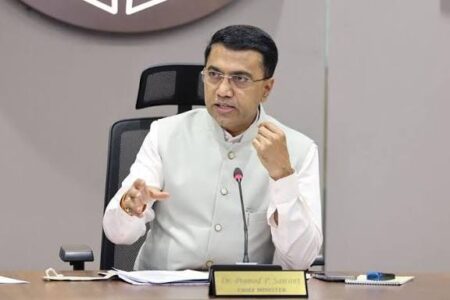
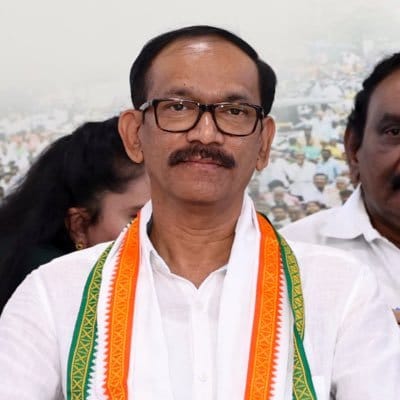
Referring to METI and the Kannada-speaking community, Parab alleged that demands for community rights were being raised openly, while political leaders and their supporters remained silent because of possible electoral consequences. He referred to leaders including Pramod Sawant, Damu Naik, Yuri Alemao and Girish Chodankar in his criticism of the political establishment.
Parab also claimed that the Goy Rakhon Yatra could eventually lead to demands for reservation for Kannadigas in Goa. He raised the possibility of further demands relating to Scheduled Tribe (ST) and Scheduled Caste (SC) reservation, as well as greater political representation and leadership for the Kannada-speaking community.
He questioned whether political parties would support such demands and alleged that electoral considerations could influence their response. These claims and predictions were not independently verified.
Parab further argued that government welfare schemes, including Ladli Laxmi, were not the only issues being raised by the community, claiming that the demand extended to broader questions of political rights and representation.
Warning of possible long-term implications for Goa, Parab predicted that Kannada could become an official language of the state by 2041 under a future BJP or Congress government. The statement reflects his political assessment rather than an established policy decision.
Parab concluded by highlighting the importance of language, unity and cultural identity, while reiterating his criticism of what he described as the growing influence of vote-bank politics in Goa.