New Delhi: The Cockroach Janta Party (CJP) has vowed to expand its protests across India after its leaders were released from custody following a police crackdown in Delhi. The group has reiterated its demand for the resignation of Chief Election Commissioner Gyanesh Kumar over alleged electoral irregularities linked to the Special Intensive Revision (SIR) of voter lists.
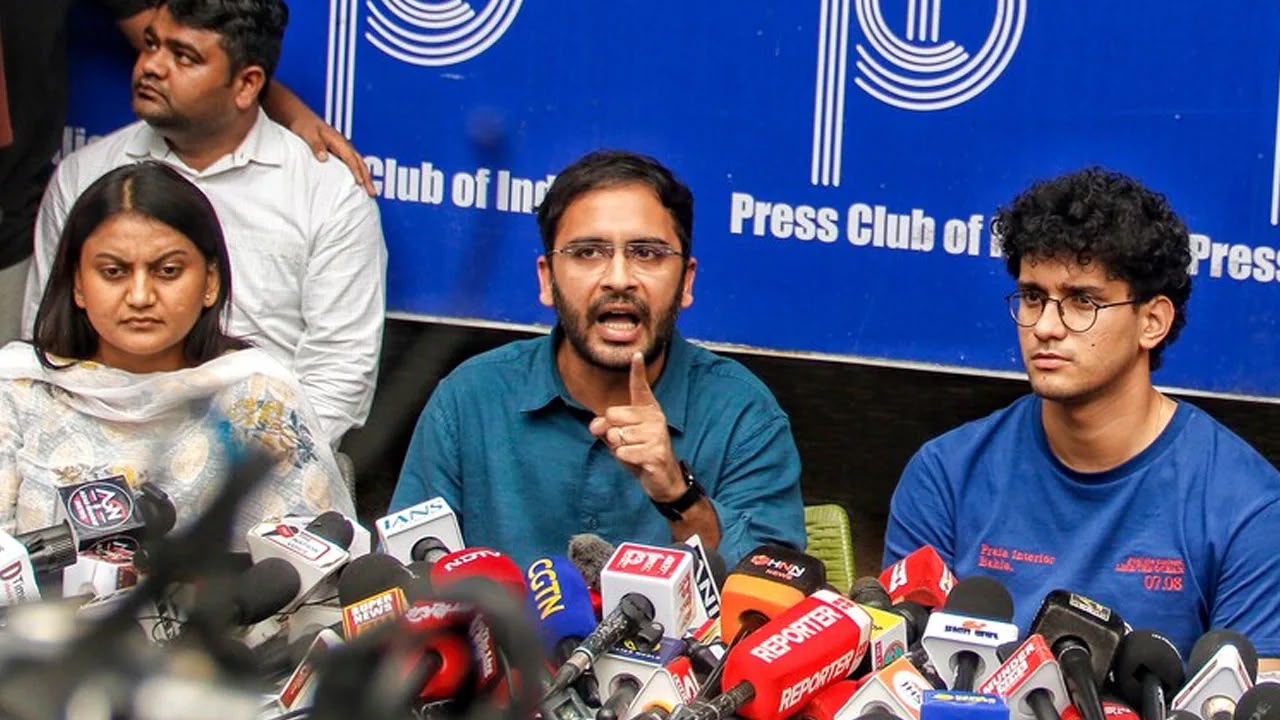
“The fight has just begun,” CJP co convenor Ashutosh Ranka declared at a press conference on Sunday, asserting that the agitation would continue until Kumar resigned. Another leader, Saurav Das, said the protests would spread beyond the national capital to different parts of the country.
CJP founder Abhijeet Dipke, Ranka and Das were detained inside an aircraft after it landed in Delhi from Mumbai on Saturday. They were subsequently produced before an executive magistrate and released on the condition that they maintain peace for one year.
Dipke left for his hometown in Maharashtra following his release to attend his grandmother’s last rites. The leaders maintained that they had not signed any undertaking preventing them from participating in future demonstrations.
The CJP argued that peaceful protests were a constitutional right and that the release conditions did not prohibit demonstrations. Ranka also accused the authorities of creating an atmosphere of fear and demanded that Jantar Mantar be made available for protests.
The crackdown prompted criticism from several activists and opposition leaders. CJP’s legal team head Ratna Singh alleged that families of protesters had faced pressure from authorities to prevent their children from participating in demonstrations. These allegations have not been independently established.
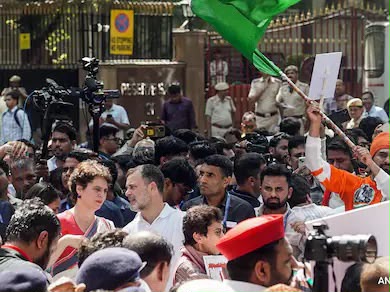
Thousands of protesters, including political leaders and activists, were detained on Saturday as authorities imposed extensive security restrictions to prevent gatherings in Delhi. Several metro stations were temporarily closed, while around 250 trains were reportedly cancelled ahead of the demonstrations. Normal operations were subsequently restored.
Saurav Das compared the restrictions to the Emergency imposed between 1975 and 1977, arguing that the government’s response had undermined democratic freedoms. Student activist Aishe Ghosh also pledged continued participation in protests while maintaining that the movement would remain constitutional.
The BJP, meanwhile, accused the CJP of acting in coordination with opposition parties. Delhi Chief Minister Rekha Gupta described the group as aligned with Congress and the Aam Aadmi Party. Defence Minister Rajnath Singh maintained that citizens had the right to express dissent but warned against actions that could create disorder.
Despite the political confrontation, the CJP has signalled that its campaign against the SIR exercise and its demand for electoral accountability will continue through further demonstrations across the country.