New Delhi: External Affairs Minister S Jaishankar has said India and the United States have reached a stage where there is broadly an understanding on the proposed bilateral trade agreement, but changes in US tariff policies have made the final negotiations more complicated.
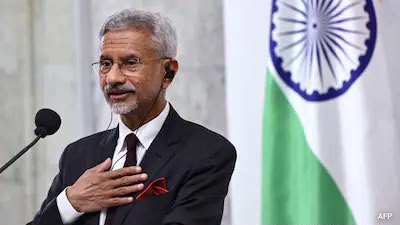
Speaking in New York, Jaishankar explained that the negotiations had taken longer than initially expected because of differences in the economic structures of the two countries. He highlighted India’s large base of small farmers, producers and manufacturers and said the scale and nature of the two economies made detailed negotiations necessary.
A major issue now is Washington’s changing tariff framework. The United States has imposed an additional 10 per cent tariff on Indian imports under Section 301 following an investigation concerning measures related to goods produced using forced labour. The final rate was lower than the 12.5 per cent initially proposed.
Jaishankar said the Section 301 process is still evolving, creating uncertainty over when the agreement should be formally concluded. The outcome of another US investigation concerning structural overcapacity could also affect the final tariff framework.
The tariff question has become particularly important for New Delhi because India wants its exporters to receive terms that remain competitive with other countries selling into the US market. Commerce Minister Piyush Goyal has previously said the negotiations are substantially complete, with the remaining issue centred on securing a competitive tariff advantage for Indian exports.
The two countries had announced a framework for the first phase of the trade agreement in February. The proposed arrangement covers areas including industrial goods, agriculture, energy, technology and digital trade.
Goyal is scheduled to visit the US from September 29 to October 5 for the G20 trade ministers’ meeting and bilateral discussions with American officials. The talks are expected to focus on resolving the remaining tariff issues and moving the agreement towards implementation.