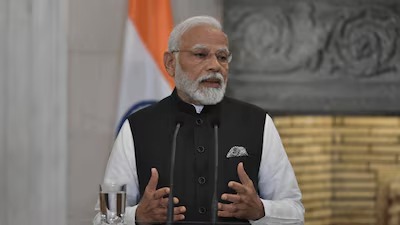
New Delhi: Prime Minister Narendra Modi has directed all concerned ministries to prepare contingency plans to minimise the potential impact of El Niño as concerns grow over a weak monsoon season and significant rainfall shortages in several parts of the country.
The Prime Minister recently reviewed the implications of extreme weather events and assessed the possible effects of El Niño on India during a meeting of the Union Cabinet. The review comes at a time when many regions are experiencing rainfall deficits exceeding 40 per cent, raising fears over agricultural output, water availability and energy demand.
Recognising the possibility of major disruptions, the government has asked ministries to closely monitor the progress of the monsoon and remain ready to respond to any adverse developments affecting critical sectors such as agriculture, water resources, electricity and transportation.
Officials believe El Niño could lead to uneven rainfall distribution across the country, with some areas facing prolonged dry spells while others may witness excessive rainfall and flooding. The contrasting weather patterns could result in both water scarcity and flood related challenges occurring simultaneously in different regions.
To strengthen preparedness, key ministries including those responsible for water resources, agriculture, power and railways have been tasked with preparing sector specific response plans to manage potential disruptions.
An inter ministerial group comprising representatives from ten ministries has also been formed to continuously monitor the evolving weather situation and coordinate response measures. The Ministry of Home Affairs will oversee the coordination process to ensure swift action when required.
The Prime Minister stressed the need for a coordinated “whole of government” approach to tackle the challenges posed by El Niño and ensure effective collaboration across departments.
The latest weather projections indicate below average rainfall in July, following one of the driest Junes recorded in the country in more than a century.
Sorry, there was a YouTube error.