Team Goemkarponn
DELHI: The Congress has urged the Supreme Court to take suo motu cognisance of what it describes as an “illegal” alteration to Form 6 by Chief Election Commissioner Gyanesh Kumar, alleging that the change has created additional hurdles for young and first-time voters seeking registration.
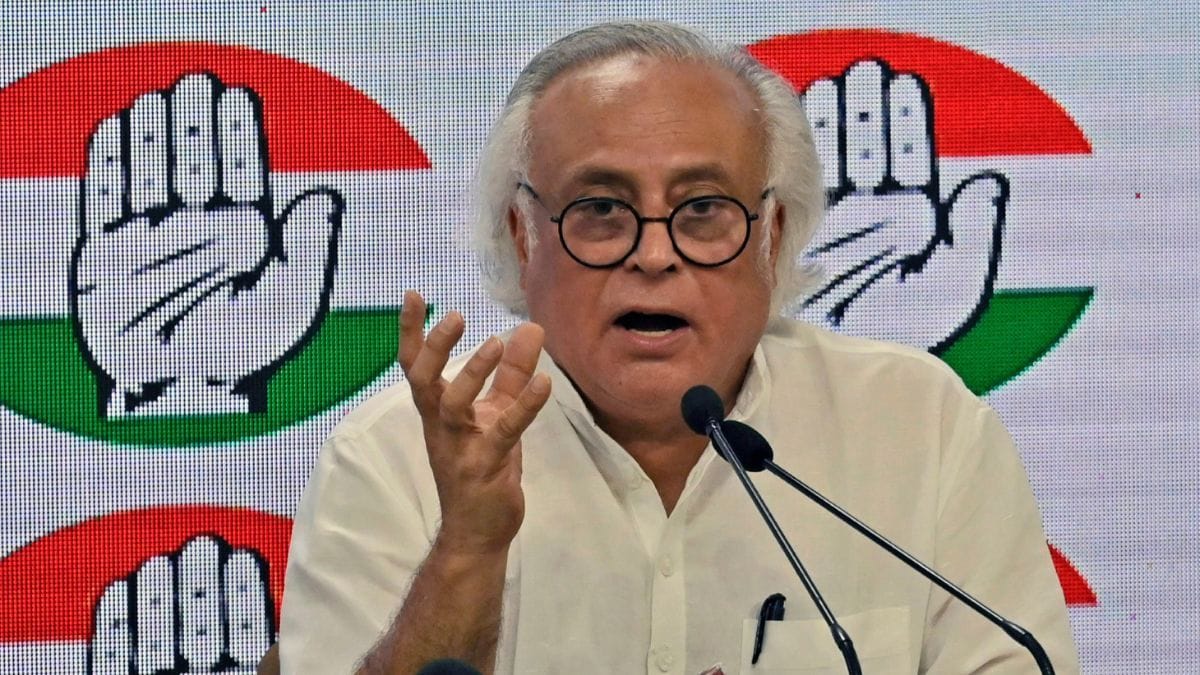
Congress general secretary Jairam Ramesh raised the issue after the Election Commission directed officials to organise special enrolment camps for young voters and give the initiative wide publicity through social media.
Ramesh questioned the move, alleging that the Election Commission had itself introduced an additional requirement in the online voter-registration process that could make enrolment more difficult for first-time voters.
At the centre of the controversy is an additional section linked to the Special Intensive Revision (SIR) of electoral rolls. Applicants registering through the online process have been asked to provide details concerning whether their parents or grandparents appeared in the electoral roll of the previous SIR, where applicable.
Ramesh alleged that the online version of Form 6 was altered in July without a formal public notification. He further claimed that the Election Commission did not have the statutory authority to independently amend the prescribed Form 6 and that any such change required amendments to the Registration of Electors Rules, 1960.
The Congress leader described the move as an “illegal and unauthorised” alteration and alleged that it could particularly affect members of Gen Z registering to vote for the first time, many of whom may not have access to older electoral-roll records concerning their parents or grandparents.
Ramesh has now called on the Supreme Court to take suo motu cognisance of the issue and examine whether the Election Commission exceeded its legal authority. He also reiterated the Congress’ demand for accountability against CEC Gyanesh Kumar, including his resignation.
The Congress has argued that a statutory voter-registration form cannot be altered through an administrative or online process without following the procedure prescribed under law.
The Election Commission, however, has maintained that the statutory Form 6 itself has not been amended. According to explanations reported in connection with the controversy, the additional requirement is linked to an annexure or declaration associated with the SIR process rather than a formal alteration of the prescribed form.
The dispute therefore centres not only on the additional information sought from new applicants but also on the legal authority under which the requirement was introduced.
The controversy comes against the backdrop of the Election Commission’s efforts to expand voter enrolment among young citizens while simultaneously carrying out SIR-related electoral-roll exercises.
Ramesh has argued that asking the Election Commission to facilitate first-time voter registration after introducing additional documentation requirements represents a contradiction in its approach.
The Congress has maintained that the matter requires judicial scrutiny and that the Election Commission must be held accountable if the process is found to have bypassed statutory requirements.