Team Goemkarponn
PANAJI: The Goa Directorate of Education has directed government and government-aided schools across the state to strengthen menstrual hygiene facilities, making January 31, 2027, the final deadline for compliance. Institutions that fail to meet the prescribed standards could face strict action, including the cancellation of their recognition or affiliation.
As an initial step, school authorities must assess the facilities currently available on their campuses and submit detailed reports to the department by October 30, 2026. Schools found lacking the necessary infrastructure will be required to address the shortcomings before the final deadline.
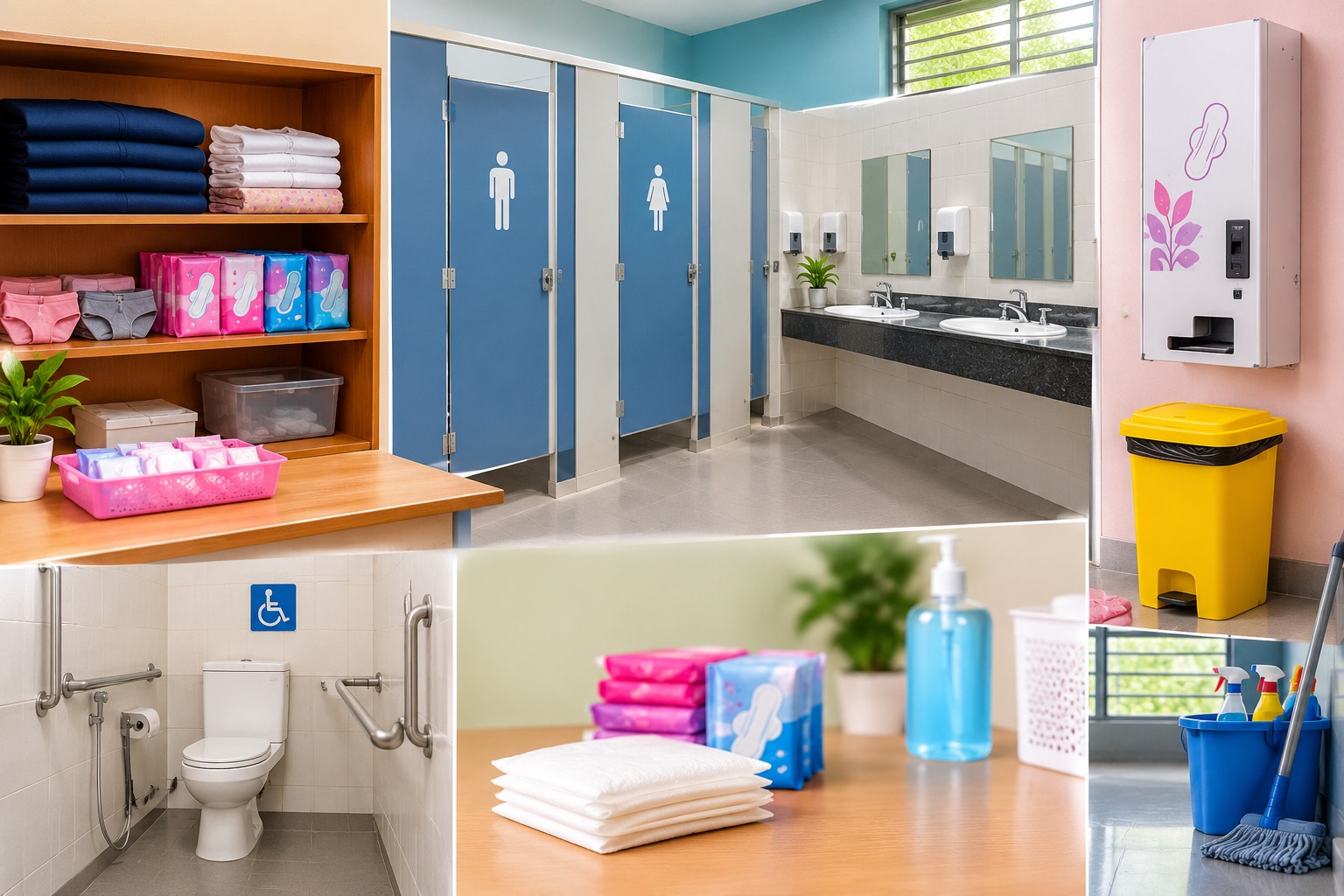
The department’s requirements include setting up dedicated Menstrual Hygiene Management (MHM) corners where students can access essential items during unexpected menstrual emergencies. These corners should contain supplies such as spare uniforms, innerwear, disposable bags and other necessary materials.
The measures are in line with the Supreme Court’s ruling in Dr Jaya Thakur vs Union of India, which highlighted the need to safeguard the dignity, health and equal educational opportunities of girl students.
Schools must also ensure that boys and girls have access to separate, usable toilets with sufficient water. In addition, every institution must provide at least one clean, accessible toilet for students with disabilities, regardless of whether any such students are presently enrolled.
Maintaining proper sanitation is another key requirement. Toilets must have soap and water available at all times, while designated sanitation personnel must be responsible for regular cleaning and upkeep.
The guidelines further require schools to make environment-friendly, biodegradable sanitary napkins accessible to girl students, either through vending machines or authorised school staff. Suitable arrangements must also be made for the hygienic disposal of used sanitary products, following applicable solid waste management rules. Covered bins must be installed in toilet facilities.
The Directorate has also stressed the importance of training teachers to address menstruation-related concerns sensitively. Both male and female teachers are expected to receive appropriate guidance so that students can seek assistance in a supportive environment without fear of embarrassment or stigma.